Drayton Hall plantation stands by the Ashley River, just south of Charleston.
Irene Levine, among many other things, writes a wonderful blog, More Time to Travel: Advice on Travel After 50. Her recent post is a collaborative effort with several other travel bloggers, including me, on the topic of plantations. As you’ll see, “plantation” doesn’t necessarily mean the kind in Gone With the Wind. Still, while I’m on the topic, here is a link to my previous post about Charleston, which is the starting point for a journey down Ashley River Road south of the city. There you’ll find three fascinating plantations–Drayton Hall, Magnolia Plantation and Gardens, and Middleton Place. And now is a great time to visit. More in my next post.
Sea breezes wafting over my bare skin, the smell of salt air, warm sun, gentle waves lapping on the shore….
In complete contrast to my last post on the Lake Superior ice caves, I’m presently traveling to a warm weather spot, at least in my mind. I’m pondering plans for summer travel and looking fondly at my pix from last summer on Cape Ann, north of Boston, Mass.
Known as “Motif #1” to artists, this building is a Rockport icon.
Minnesota is beautiful in summer, but there’s just something captivating about New England that time of year and Cape Ann, known as Massachusetts’s “other cape” is a great place to experience it– in Gloucester, which is still a fishing town, and just to the north, the village of Rockport which has, for the most part, shifted from fishing to tourism. Rockport is so darned adorable that on visits there my husband requires a periodic dose of ESPN to counteract the charm overload.
Everything in this part of the country is really old, like 1600s old, hence the charm, and the ocean has been the focus of life here for hundreds of years. So before you go, you’ll want to break out a couple of classics of seafaring literature to enhance your appreciation of the area’s maritime traditon. They include Rudyard Kipling’s Captains Courageous, a story of cod fishermen who work between Gloucester and Newfoundland; Sebastian Junger’s The Perfect Stormabout the ill-fated Gloucester fishermen of the Andrea Gail; and Mark Kurlansky’s The Last Fish Tale: The Fate of the Atlantic and Survival in Gloucester, America’s Oldest Fishing Port and Most Original Town. For more area literature, see my post about nearby Dogtown.
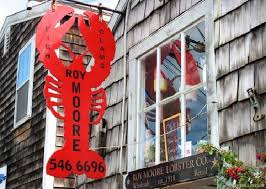
But put down your book. There’s plenty to do on the water such as kayaking, stand-up paddling, and whale watching. And, if you’re a seafood lover, stroll down Bearskin Neck in Rockport to Roy Moore’s lobster shack. Eat it on the deck in back or take it out for a beach picnic. Last year, there was a lobster surplus so we felt it our duty to help alleviate that problem. Also, the Red Skiff gets my vote for the world’s best fish chowder.
Like any resort community, Rockport has its share of art galleries. Some of the best are on Main Street where you’ll also find Toad Hall bookstore and another gem, The Shalin Liu Performance Center, where a giant window with a view of the harbor serves as a backdrop for the music. As you can imagine, the area abounds with charming inns, B&Bs and homes for rental.
Cape Ann is one of the destinations in my book, Off The Beaten Page: The Best Trips for Lit Lovers, Book Clubs, and Girls on Getaways where you’ll find many other ideas for getaways year-round.
Sea caves in winter. Apostle Islands National Lakeshore
Okay, all you friends of mine who keep posting your tan beach vacation pix on Facebook…..
The sea caves on the western shore of Lake Superior near Bayfield, Wisconsin, have
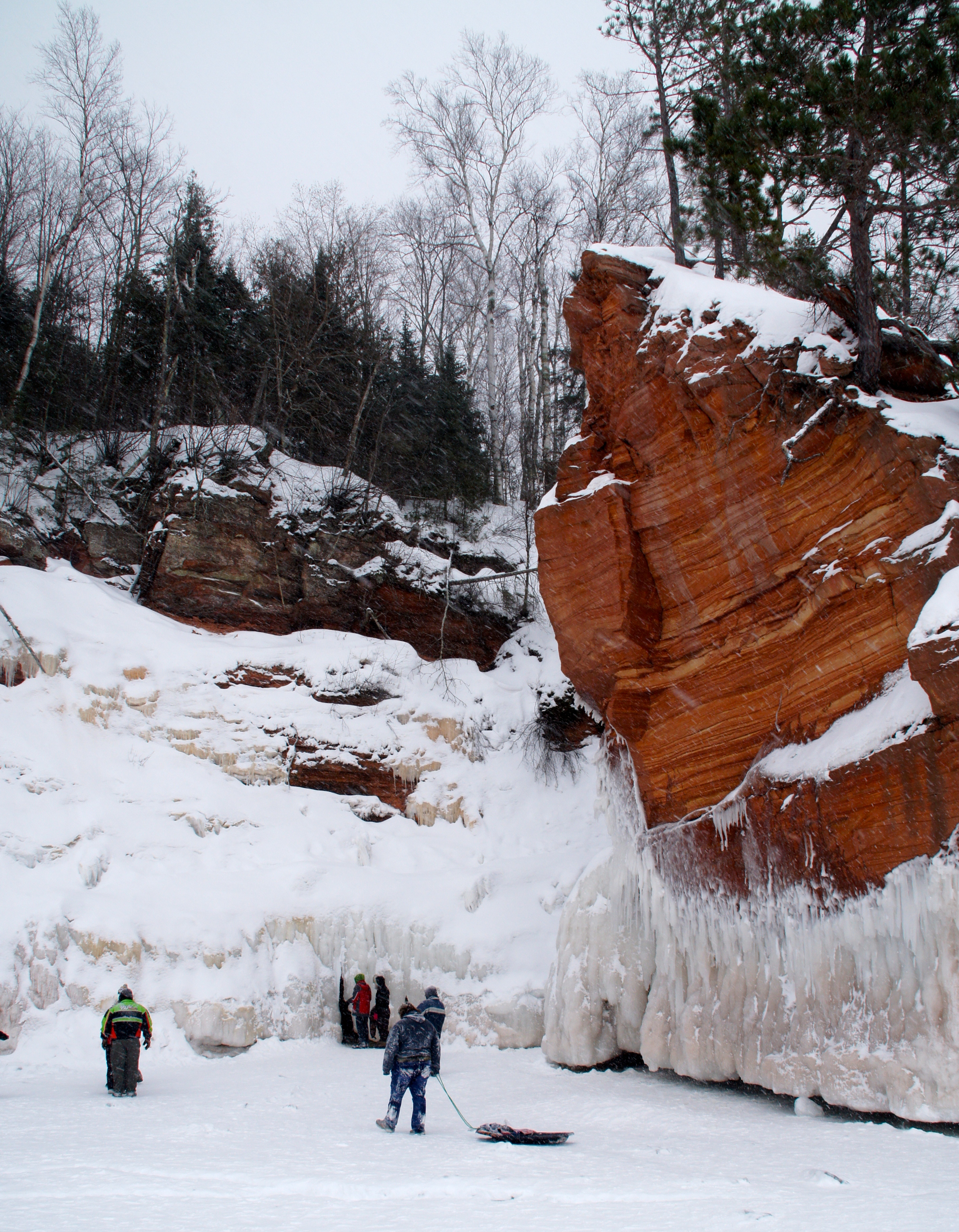
Duffy came along on our ice adventure to the sea caves, Apostle Islands National Lakeshore.
been forming over thousands of years as the action of the water carved out vast caverns in the sandstone cliffs. They’re typically reachable only in summer by boat or kayak. The caves are remarkable enough in the summer, but in winter they’re frosted with thick icicles, hoar frost and fanciful ice formations. Problem is, you can’t usually see them. Right now, for the first time five years, due to the consistently frigid weather, the ice is sufficiently thick for frozen nature lovers to make the trek out to the caves. The Great Lakes in the last week reached its broadest ice coverage in 20 years at 88 percent, with Lake Superior at about 95 percent.
Thousands of hearty souls are making the three-mile round-trip hike to the caves.
To some people, going to ice covered sea caves on Lake Superior must seem like a trip to Siberia. But this year, the caves have received huge media attention. So despite the fact that the trip isn’t for the underdressed or infirm, thousands of people are making the hike. At times the bundled up figures silently trudging in the same direction through the vast expanse of white looked like they stepped from that Dennis Quaid movie, The Day After Tomorrow. You expect to find a frozen-over New York City just around the bend, but the destination is far more like the place you’d Santa’s workshop in the movie Elf, or maybe a scene from Frozen.
You can’t just hop out of your car to see the caves. The round-trip trek takes about three
Ice coats the sandstone cliffs on Lake Superior that are usually only accessible by boat.
hours or more over a well-packed and slippery path with little cover to break the sometimes fierce winds. The caves are part of the Apostle Islands National Seashore and their web site offers an Ice Line to check on current conditions. (Or, you may want to just enjoy these photos from the warmth of your computer.)
The popularity of the caves has been a huge bonus for the area’s winter tourist business. If you want to avoid the crowds, go on a weekday. And if you’re looking for a cozy place to stay, check out the Rittenhouse Inn B&B in Bayfield. The little shops in Bayfield are happy to welcome visitors to the area and sell you any extra warm weather gear you may need and the Apostle Islands Booksellers offers terrific books to hunker down with when you return from your trip.
Dreaming of balmy weather and tropical sunsets in Miami Beach, Florida.
January. It’s the same routine every year. The relatives go home, the last toasts to the new year have been made, and I’m feel slightly blue–partly because my kids have left and partly because it’s been crazy cold here in Minnesota. It didn’t get above -11 on Monday. I’m talking Siberia cold.
Though it’s a bit of a letdown when the holiday frenzy is over, the quiet time of January provides a time to reflect on what I’ve done over the last year, new things I’d like to do this year, and after enough procrastination, to get fired up to do a few of those things. Since it’s been too frosty to go out, I’ve had plenty of time to hunker down and “reflect” (okay that’s my word for not getting to work). I looked back at the first post I made on this blog, which was called “Book Club Traveler” then, and I’m glad I took the time to revisit it. I always have giant lists this time of year of all the things I wish I had accomplished, a lot of “should-have-done this and why-didn’t-I-do-that,” things I need to do now. But looking back a couple of years at those first days of blogging, I’m feeling pretty good, optimistic even. My goal was to encourage readers to take their love of literature to the next level and actually travel to the places they read about. I concluded my first post with: “So, this blog will explore the places where literature and travel intersect, how to escape with a good book and understand the places we travel, with or without a book group, through the eyes of authors who have gone there before us. Let’s get out of the living room and hit the road.”
I got enough positive feedback on the concept and enough comments like, “I wish my book club would do that,” that I gradually I came to believe that the concept was worthy of a book. And, as a result, Off The Beaten Page: The Best Trips for Lit Lovers, Book Clubs and Girls on Getaways (Chicago Review Press) came out last May, hence the new name of the blog. The book features 15 U.S. destinations with essays, an extensive reading list, and a detailed itinerary for each. People always ask what was my favorite destination. In January, my favorite getaway is South Beach/Miami, Florida. I’ve written several posts about that trip like this and this. It was just arduous doing research there as you can see from this video. Notice that no one is wearing bulky sweaters or long johns.
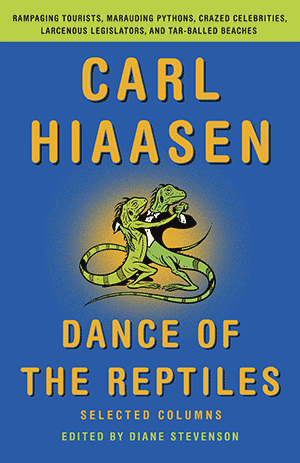
However, if you’re dreaming of Florida right now, but not exactly getting there as soon as you’d like, pick up any book by Carl Hiassen for a crazy look at south Florida, especially Miami; Susan Orlean’s The Orchid Thief; Peter Mathiessen’s Shadow Country about the Florida frontier; or Karen Russell’s Swamplandia! I’m snuggled in with new books to read and dreaming up potential new adventures for the year based on those books. One benefit of travel and reading is that even if I’m home in the deep freeze, I can conjure up previous tropical sojourns to warm my heart if not my fingers and toes.
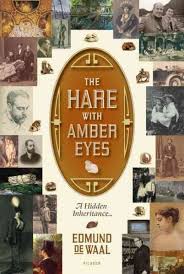
It’s a strange feeling when the story line in a book you’re reading matches front page news. I just finished reading The Hare With Amber Eyes, Edmund De Waal’s exploration of his family’s history through its art collection, in particular a set of Japanese netsuke, miniature sculptures, that were passed down through his family from the late 1800s onward. His fabulously wealthy Jewish family lived in a “palais” in Vienna packed with art. But when the Nazis moved into Austria, they confiscated the family’s possessions, their home, and in some cases took their lives, too. I finished the book just as the news hit that a huge amount of Nazi-confiscated art had been found in a Berlin apartment, about 1,500 works estimated to be worth $1.4 billion. If you’re not familiar with the unfolding story, you can read about it in this New York Times article. You have to wonder if any of De Waal’s family art collection will be discovered in this trove of paintings.
On a similar topic, The Monuments Men: Allied Heroes, Nazi Thieves And The Greatest Treasure Hunt In History by Robert M. Edsel has been made into a movie with George Clooney and Matt Damon. Though the trailer for The Monuments Men says it will be out in December, the release is now scheduled for February.
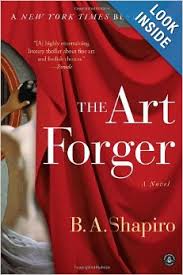
It’s no wonder that stolen art is such a hot topic in literature lately. The real-life stories have a plot line worthy of Robert Ludlum. My book club recently read B.A. Shapiro’s The Art Forger, which weaves the fictional story of a young woman who forges a work by Degas with the story of the heist from the Isabella Stewart Gardner museum in Boston, the largest unsolved art theft in history. See Shapiro’s excellent book trailer to understand how she used it as the foundation of her story. And, if you’re thinking of a trip to Boston, read The Art Forger and go visit the Isabella Stewart Gardner Museum. It’ll bring alive both your reading and your travel.
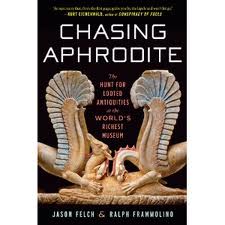
In addition, the Los Angeles/Santa Monica chapter of my book, Off The Beaten Page: The Best Trips for Lit Lovers, Book Clubs and Girls on Getaways, offers a weekend itinerary that includes a visit to the fabulous Getty Museum in Los Angeles. And on the reading list for that chapter is Chasing Aphrodite: The Hunt to Looted Antiquities at the World’s Richest Museum. It’s an investigation of the museum’s dealing in illegal antiquities from Los Angeles Times reporters, Jason Felch and Ralph Frammolino.
Looking for more on art heists? Here’s a Goodreads list that will keep you reading, and on the edge of your seat, well into the new year.
If you think reading is a solitary pursuit, you need to go to a book festival.
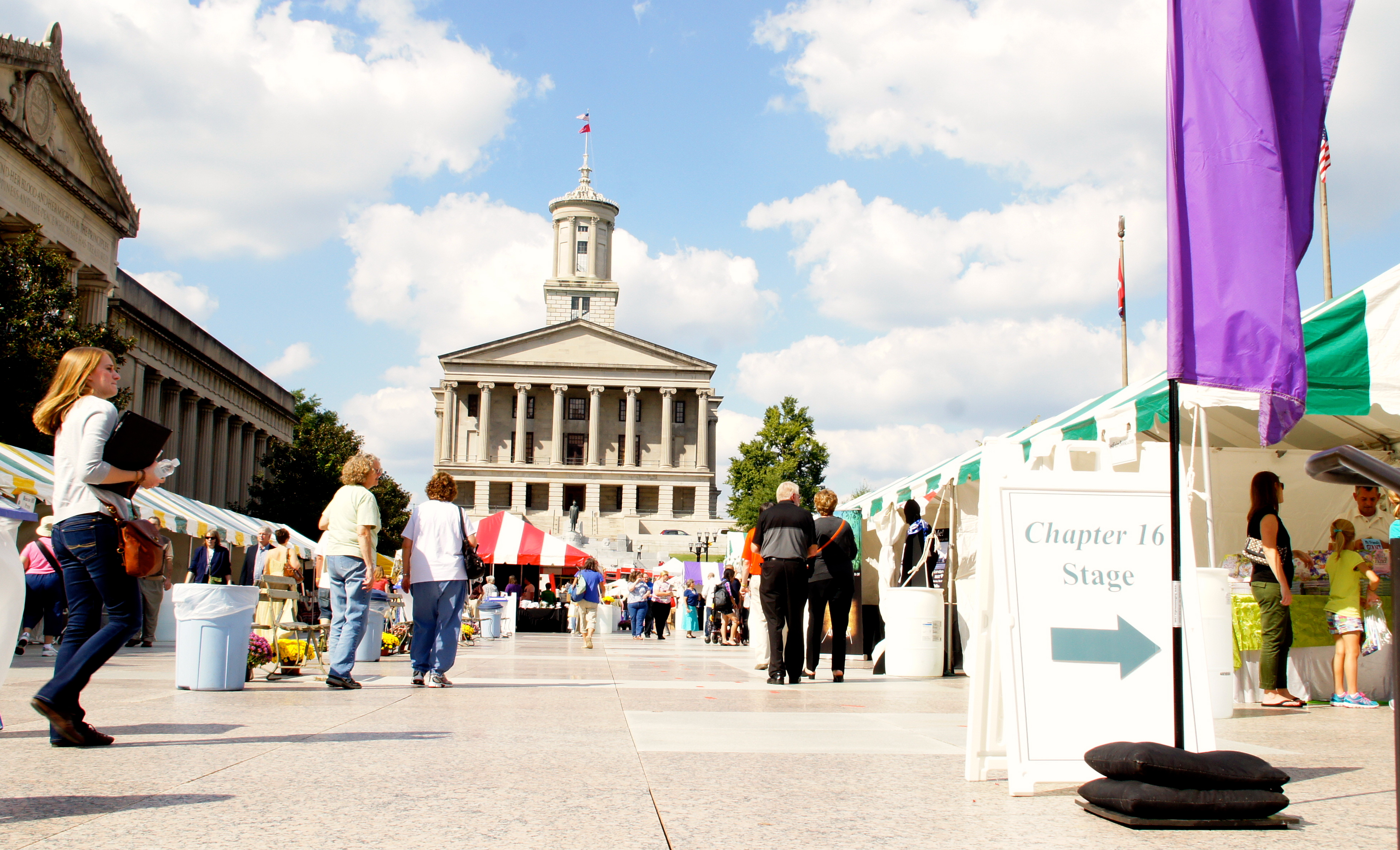
Southern Festival of Books on the Leglislative Plaza in Nashville, Tennessee
I moseyed down south to the Southern Festival of Books in Nashville a couple of weeks ago and found myself amidst about 30,000 kindred spirits. I strolled among rows of tents full of books and publishers–like an art fair for book lovers–set up on the capitol city’s Legislative Plaza. Program in hand, I had the difficult task of choosing among the 212 sessions, three performance stages, and 325 authors speaking and signing their books during the three-day event.
Sessions (usually about an hour) took place in Nashville’s gorgeous public library,
So many books and authors, so little time.
Legislative Plaza rooms, and in War Memorial Auditorium. Authors talked about their books, like a book club discussion. In fact, book clubs showed up to ask questions and share their enthusiasm for books their groups had read. I especially enjoyed hearing William Landay talk about his experiences as a prosecutor and the ideas that went into writing his bestseller, Defending Jacob. Another of my favorites, Meg Wolitzer, read from her book The Interestings and talked about how her own background influenced the story. But, the fest offers something for lovers of every literary genre, a look at regional writers who you may not know, as well as appearances from big name writers who this year included Bill Bryson, former Vice President Al Gore, Rick Bragg, Roy Blount, Clyde Edgerton, Chuck Palahniuk and others. It was a little slice of heaven for book enthusiasts and the throngs there offered clear proof that, though the publishing industry is changing dramatically, readers are more passionate than ever about books and relish the opportunity to connect with authors and with their fellow readers.
Encouraging the Readers (and Writers) of the Future
I was also impressed with the Festival’s efforts to boost childrens’ interest in literature. It offered sessions for teachers, parents, and young readers from toddlers to YA. Take for example, panels such as “Building Kids Imaginations through Picture Books: Museums, Libraries, Engineers, Mice and More” or “Zombie Tales of the Undead for Teens and Tweens,” or singer Janis Ian reading her book, The Tiny Mouse. In fact, about 60 of the featured authors this year write for children and teens. The biggest event: kids screamed for Rick Riordan (author of the Percy Jackson and the Olympians series) like he was a rock star. Read more about the Festival in Publishers Weekly.
If this sounds a little too book-obsessed, for a weekend in the Country Music Capitol, I want to assure you that we took advantage of the other great stuff to do in Nashville. Exhibit A, my new cowboy boots, perfect footwear to wander up and down Broadway, Nashville’s main music thoroughfare, where country tunes pour forth night and day.
You never know who you’ll meet on the street in Nashville.
Fall is the best time for literary travel just about anywhere, including Newport, Rhode island.
If you’re a traveler, fall, not Christmas, is the “most wonderful time of the year.” Same sites but fewer crowds, cooler temps, and often, lower prices. It’s the perfect time to go so many places, you may find it hard to choose a destination. The answer lies on your bookshelf. Whether they’re classics or “beach reads,” your favorite books can offer guidance and inspiration for a “lit trip” to see the sites of the stories, absorb the environment that inspired the authors, and even walk the paths of fictional characters. Literary travel allows you to extend the experience of a great book and expand your understanding of your destination. Reading and travel enhance each other, and one taste will leave you yearning to go back for more. Best of all, you don’t need to head for Hemingway’s favorite Paris haunts or Jane Austen’s English countryside to take a lit trip. Opportunities for book-based travel abound in the U.S., too, and many are at their best in fall.
California Wine Country – Vintage Reading
Harvest time in California’s wine regions, typically from mid-August through October, overflows with vibrant golden yellow and crimson colors and the trucks rumbling by overflow with grapes ready for the crush. M.F.K. Fisher captured the delights of Napa and Sonoma where she lived and wrote her classic essays on food, wine, and life. Jack London also loved the Sonoma area where he lived and wrote in his later years. And, for fans of another type of grape, The Grapes of Wrath (which has absolutely nothing to do with wine), the National Steinbeck Center in Salinas, is a short jaunt from wine country, making literature and wine the perfect blend for fall travel.
Read: M.F.K. Fisher, Musings on Wine and Other Libations, (Anne Zimmerman, ed.)
Jack London, Valley of the Moon (another name for Sonoma),
For more contemporary reading, try James Conaway, Nose, and Rex Picket, Sideways.
Explore: the vineyards of Napa and Sonoma counties, and take a side trip to the National Steinbeck Center in Salinas (www.steinbeck.org)
Stay: L’Auberge Du Soleil, Rutherford (www.aubergedusoleil.com)
Eat: pack a picnic and enjoy it on the grounds of your favorite winery or in Jack London State Historic Park in Glen Ellen www.jacklondonpark.com
Events: Fall in wine country means special celebrations of wine and food such as Flavor! Napa Valley in November (flavornapavalley.com), vintner dinners such as those at Grgich winery (grgich.com). Schramsberg winery in Calistoga offers special camps in fall and spring for wine and food lovers (www.schramsberg.com/news/campschramsberg)
Santa Fe – Willa Cather’s Archbishop Comes to Life
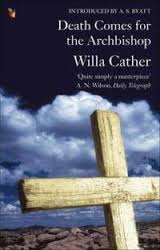
Santa Fe is a sensory fiesta year-round but in fall the aroma of roasting chili peppers adds to the mix. New Mexico’s beauty, dramatic history, and architecture have lured for artists and writers for decades. Among them, D.H. Lawrence (to Taos) and Willa Cather, who captured the drama of the New Mexico environment as she wrote a fictional version of the real-life story of Bishop Jean-Baptiste Lamy, in Death Comes for the Archbishop. Shoppers and art lovers will find equally dramatic adventures in Santa Fe.
Read: Willa Cather, Death Comes for the Archbishop
Explore: Bishop’s Lodge which offers a spa, horseback riding, and a chance to see Bishop Lamy’s chapel and home. (www.bishopslodge.com)
Stay: Inn on the Alameda (www.innonthealameda.com)
Eat: The Shed (www.sfshed.com)
Events: Santa Fe Wine and Chili Fiesta (www.santafewineandchile.org)
Newport, RI – America’s “Downton Abbey”
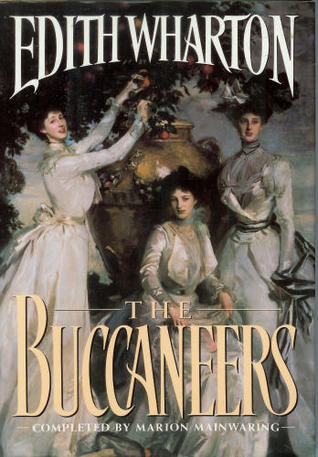
Since the 1800s, America’s wealthiest families have flocked to Newport, Rhode Island, and built summer “cottages” that most of us would call “palaces.” Among them was Edith Wharton, who wrote of her experiences in Gilded Age Newport in books such as The Buccaneers, which is about wealthy heiresses who married into the British aristocracy, much like “Downton Abbey’s” Cora Crawley. You can explore Newport’s Gilded Age mansions as well as its gorgeous seaside sites. The more “off season” you go, the more you can afford live like a Vanderbilt.
Read: Gail McColl and Carol Wallace, To Marry and English Lord
Edith Wharton, The Buccaneers
Explore: Newport Mansions (newportmansions.org)
Stay: Vanderbilt Grace (www.gracehotels.com/vanderbilt) Ask about packages that include admission to the Newport Mansions.
Eat: The Mooring (www.mooringrestaurant.com)
Events:
Polo matches, sailing regattas, or just a hike along Cliff Walk. In Newport you can sample “upper crust activities” or just enjoy the view. (www.gonewport.com)
Nantucket – A Whale of a Trip
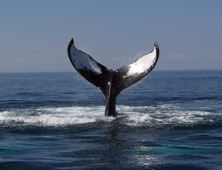
You can’t find a more concentrated dose of New England charm than in Nantucket. And, if you’re a fan of Herman Melville’s whale tale, Moby Dick, you know that Nantucket is the place where Captain Ahab’s ship, the Peaquod, set sail.
Read: Herman Melville, Moby Dick,
Nathaniel Philbrick, Why Read Moby-Dick? and In the Heart of the Sea: The Tragedy of the Whaleship Essex
Sena Jeter Nasland, Ahabs Wife
Or for more contemporary tales, read Summerland and other books by Nantucket resident Elin Hilderbrand.
Stay: White Elephant (www.whiteelephanthotel.com)
Eat: Millie’s. Enjoy the sunset and sample a Whale Tale Pale Ale. (www.milliesnantucket.com)
Explore: Nantucket Whaling Museum (www.nha.org)
Events: The Nantucket Maritime Festival. You’ll hear sea shanties sung, see harpoons thrown, and boats raced. (www.nantucketmaritimefestival.org)
Driftless in Wisconsin
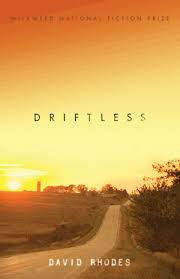
Because of its geology, the Driftless Area of southwest Wisconsin is a place tailor-made for meandering. And the fall colors are reaching their peak in Wisconsin right now. As David Rhodes explains it in his beautiful book Driftless, “The last of the Pleistocene glaciers did not trample through this area, and the glacial deposits of rock, clay, sand, and silt–called drift–are missing. Hence its name, the Driftless Region. Singularly unrefined, it endured in its hilly, primitive form untouched by the shaping hands of those cold giants.” In this area, you’ll meet friendly folks who may remind you of the characters in Rhodes’s book—organic farmers, artists, shopkeepers, and the nice Norwegian lady at the dairy coop. Amish folks sell produce and hand-made wares at roadside stands, making the entire area a giant farmers market through fall. By the end of your trip, you’ll be reluctant to leave. But you can return by reading Rhodes’s newest book, Jewel Weed.
Read: David Rhodes, Driftless and its sequel, Jewel Weed
Stay: Charming B&Bs abound in the Driftless Area. Check out The Roth House(therothhouse.com) and the sister property The Old Oak Inn (theoldoakinn.net) in Soldier’s Grove or Westby House Inn in Westby (www.westbyhouse.com)
Explore: Amish farms and shops (www.downacountryroad.com) and Wildcat Mountain State Park (www.dnr.wi.gov/topic/parks/name/wildcat/) For more Driftless information see driftlesswisconsin.com
Events: Gays Mills Apple Festival (www.gaysmills.org/Apple_Festival)
I love the water, but as a Midwesterner, the ocean holds a special fascination because we don’t have one. Granted, the Great Lakes are big enough and fierce enough in bad weather to give the feeling of the ocean and the same waves of motion sickness wash over on me on rough water, salty or fresh. But there’s just something about the ocean that launches my imagination into overdrive.
First there are the tides. We visited friends one summer who live on a Pacific coast inlet. When we arrived we were oceanside. The next morning the water was gone and the boats all sat in the sand awaiting high tide to float them again. This was a freaky, Stephen King-like experience for a “lake person.”
The wreck of the Edmund Fitzgerald aside, the ocean simply carries a bigger cargo of tales, from Moby Dick to Captains Courageous to The Perfect Storm and about a zillion classic novels in between. Gloucester, Mass., a real fishing town north of Boston, offers one of the best places to hang out and absorb a heavy dose of the maritime atmosphere that makes those stories come to life. You’ll get a double dose if you attend the Gloucester Schooner Festival this weekend.
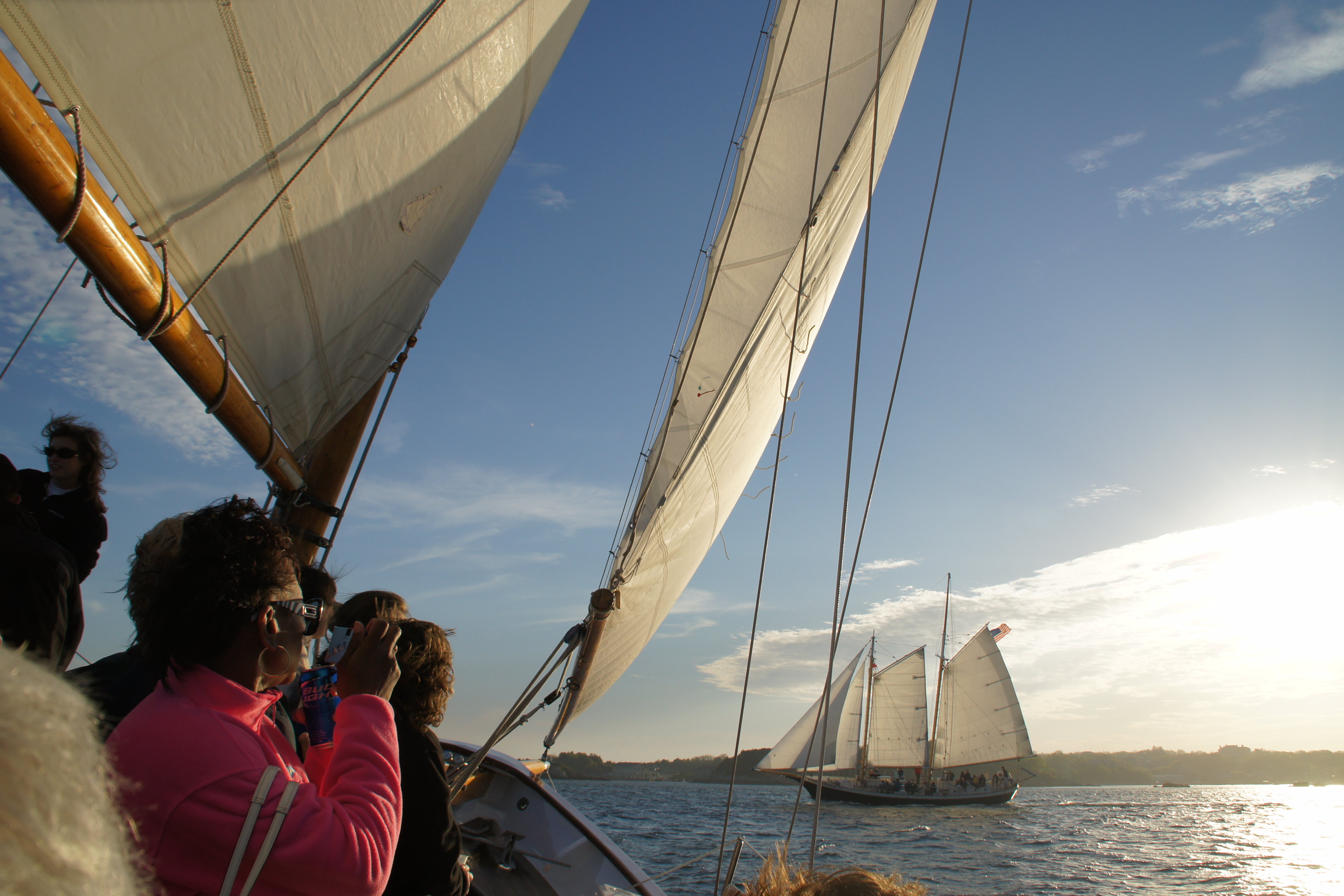
Sailing the harbor, Gloucester, Mass.
Finally, few things are more pleasurable than being sea-side, dozing intermittently, lulled by the warmth of the sun, a view of the ocean, the sound of the surf, and the coconutty smell of sunscreen on your skin. I just read a post from a blog I follow, Jenn’s Bookselves, in which she writes about how much the venue in which we read a novel, can affect our
Beach reading, Rockport, Mass.
feelings and reading experience. I nominate surfside as one of the best places to read, though it’s important to do so with books that give your brain a chance to relax along with the rest of your body. So raise your pina colada and your copy of anything by Carl Hiassen. Here’s to beach reading.
You’ll find words of inspiration, eerie tales, and New England history on the Babson Boulder Trail, Cape Ann, Massachusetts
Bars and counters are my favorite places to sit in restaurants. There’s something about the combination of close proximity and food that fosters great conversations among complete strangers. And, if I see you sitting next to me with a book, you won’t have time to read it because I’ll won’t be able to stop myself from asking what you’re reading, what it’s about, and do you recommend it.
That happened a couple of springs ago when my husband, Scott, and I were in Rockport,
The New York Times called this is “a true-crime story, an art appreciation course and an American history lesson stitched together, and it succeeds as all three, albeit with a few seams showing.”
Mass., (on Cape Ann, about an hour north of Boston) while I was researching my book, Off The Beaten Page: The Best Trips for Lit Lovers, Book Clubs and Girls on Getaways. There was still a chill in the the air and we were happily slurping down huge bowls of fish chowder at the Red Skiff, a tiny restaurant on Rockport’s aptly named Mt. Pleasant St. (The relaxed pace and the chance to hang out and chat with locals on both sides of the lunch counter without a line if diners behind you, and of course lower prices, are a few of the many charms of off-season travel.) I noticed that two of our lunch counter companions were discussing a book, so I had to barge into their discussion and ask about it, which led to questions about where we were from and what brought us to Rockport. Turned out the two gentlemen were members of the local sheriff’s department enjoying their day off. When one heard about my project, he grabbed the book from his friend’s hands and said, “You’ve got to read this book.” It was Elyssa East’s Dogtown: Death and Enchantment in a New England Ghost Town. He said with an air of mystery that Dogtown has had a very strange history. “Say no more,” I said.
That lunch counter encounter was enough to launch me into reading not only East’s non-
Anita Daimant’s The Last Days of Dogtown is a work of historical fiction based on a colonial settlement Massachusetts.
fiction book about a murder in Dogtown, but also Anita Diamant’s fictional work The Last Days of Dogtown (you may have read her best-seller, The Red Tent) and Thomas Dresser’s Dogtown: A Village Lost in Time. After reading those books, I had to go see the place for myself.
Dogtown is a 3,600-acre tract of juniper, bog, and granite with a beautiful reservoir at one end. Early settlers–really early, like the mid-1600s–put down roots in Dogtown, though it couldn’t have been easy among so much rock. A century later as many as 100 families lived in the Dogtown area. But after the Revolutionary War, people figured that fishing might be a better way to make a living than tilling around giant boulders. It’s surprising that it took them that long. By the early 1800s, Dogtown was deserted, but for a few impoverished widows who, like Tammy Younger, the “queen of the witches,” intimidated passersby enough to make them pay her to leave them alone. A few dogs remained, too, which according to some people is the reason for the area’s name.
One thing that’s unnerving about Dogtown is that’s it’s rather hard to find your way around, giving the feeling that at any turn you could become hopelessly lost and eventually end up like Tammy and her warty friends. To explore Dogtown Commons, buy a detailed trail map at Toad Hall Books in Rockport or bookstores in Gloucester and bring along your GPS. You can also take a tour with an expert Seania McCarthy at Walk the Words. With a bit of looking, you can still find the holes that were the cellars of the first Dogtown homes.
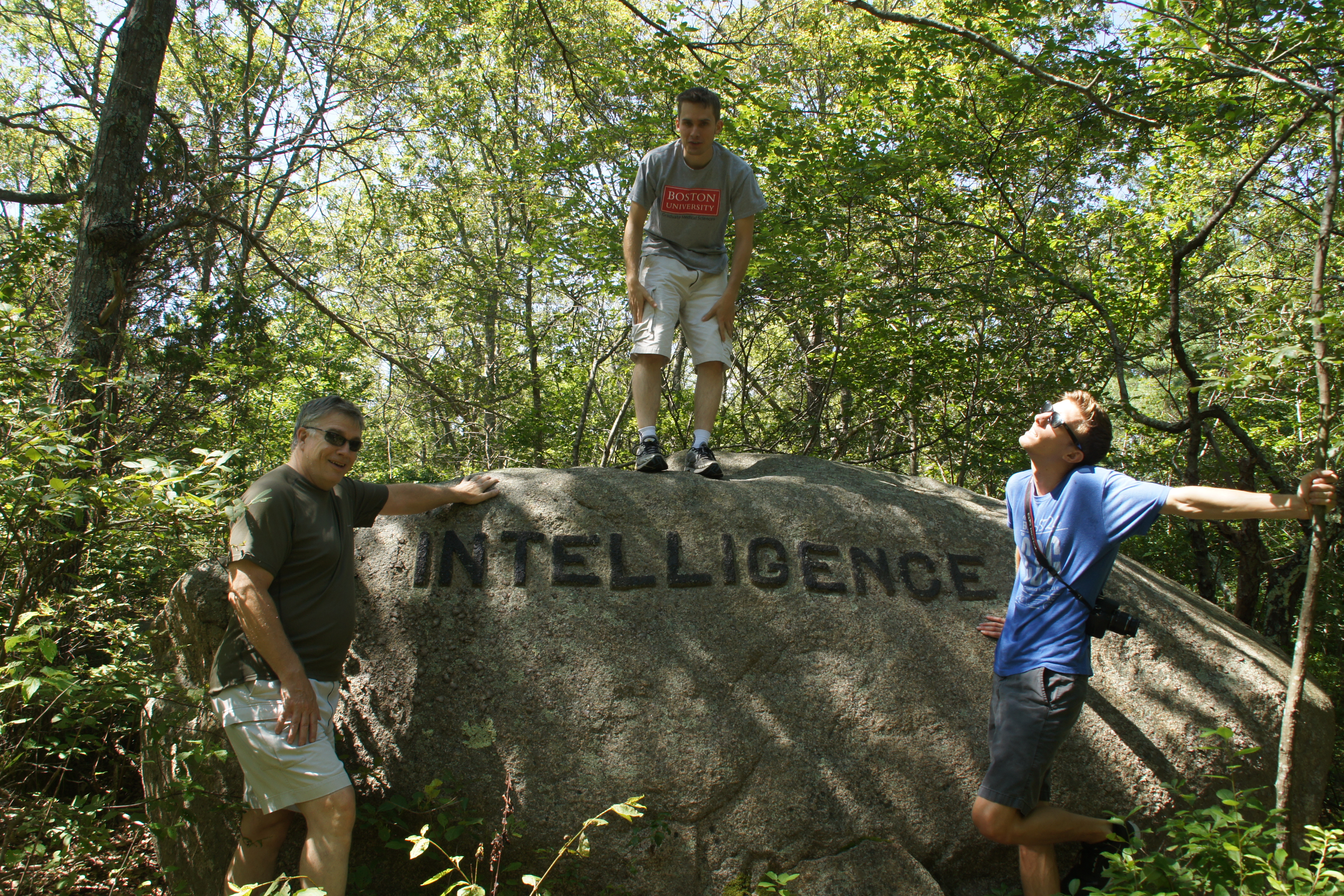
But my favorite hike is the Babson Boulder Trail. During the Depression, millionaire
Intelligence gathering along the Babson Boulder Trail.
philanthropist Roger Babson, the founder of Babson College, hired unemployed stonecutters to carve 24 inspirational words on Dogtown boulders, many on what is now the Babson Boulder Trail. It’s fun, but a tad eerie, to encounter giant boulders at various points on the trail with inscriptions such as “Industry,” “Kindness,” “Be On Time,” and “Keep Out of Debt.” My favorite: “Help Mother.”
All of this history and mystery made Dogtown a favorite source of inspiration for the painter Marsden Hartley who captured the place in powerful, primal paintings such as “Rock Doxology.” He said, “A sense of eeriness pervades all the place…. [It is] forsaken and majestically lovely, as if nature had at last formed one spot where she can live for herself alone.” Read the books and go see for yourself.
Dogtown was the subject of many works by painter Marsden Hartley. You can see “Rock Doxology” in the Cape Ann Museum, Gloucester, Mass.
Santa Fe is one of my favorite places. Fabulous art, Native American crafts, great food, shopping, music, and outdoorsy pursuits abound. If you’re traveling with a group, it’s hard to keep everyone together because everything you see makes you want to stop and stare, from the wisteria draped adobe architecture to the fabulous Native American jewelry and even the distinctive high desert sky.
Adobe and wisteria, Santa Fe
Santa Fe’s sky and special light–clear and stunningly bright–is one reason Santa Fe and nearby Taos have attracted writers and artists for decades. Author D.H. Lawrence fell in love with the place. He wrote in “New Mexico,”
The moment I saw the brilliant, proud morning shine high up over the deserts of Santa Fe, something stood still in my soul, and I started to attend… In the magnificent fierce morning of New Mexico one sprang awake, a new part of the soul woke up suddenly, and the old world gave way to a new.
Willa Cather found a similar fascination with the New Mexico sky. In Death Comes for the Archbishop she says
The plain was there, under one’s feet, but what one saw when one looked about was the brilliant blue world of stinging air and moving cloud. Even the mountains were mere anthills under it. Elsewhere the sky is the roof of the world; but here the earth was the floor of the sky.
While Lawrence and Cather painted New Mexico with words, stroll through Santa Fe and you’ll see how countless artists have portrayed the area in oil, clay, bronze and more, which has made Santa Fe the second or third largest art market, depending on who you’re talking to. The city was designated a UNESCO Creative City in 2005, the first U.S. city to be so honored and currently one of only a handful of Creative Cities in the world. In 2009 the National Trust for Historic Preservation named Santa Fe one of the Trust’s Dozen Distinctive Destinations.
You’ll find a concentrated dose of art on the city’s famous Canyon Road, with over one
Truffles the Pig on Canyon Road
hundred galleries, specialty shops, and restaurants. It’s a visual fiesta at just about every turn, and if you look carefully you’ll find something for every budget. Though the galleries would love to have you purchase a work of art, you’re welcome to come in and simply savor what you see for a while.
Cowboys and Indians Santa Fe
Just looking? Santa Fe is also a city of museums with more than a dozen different facilities including the Museum of International Folk Art, The Museum of Indian Arts & Culture, SITE Santa Fe, New Mexico Museum of Art, Museum of Spanish Colonial Art, Wheelwright Museum of the American Indian, Georgia O’Keeffe Museum, Santa Fe Children’s Museum, New Mexico History Museum/Palace of the Governors, and one of my favorites, the Museum of Contemporary Native Arts.













 Off The Beaten Page Travel