Cartoons and funny articles in a style that is spare and gentle.
James Thurber was one of the most beloved humorists of the last century and his cartoons were regularly featured in The New Yorker for over 30 years. I recently visited his boyhood home in Columbus, Ohio, where the stories about Thurber’s childhood explained a lot about his gentle and quirky humor, particularly the tales about his delightfully cooky mother and his love of dogs.
Thurber’s drawings are spare, simple black lines and experts speculate that it may be due in part to an eye injury he received as a child. If your knowledge of Thurber’s work is limited to “The Secret Life of Walter Mitty” and its recent movie incarnation, I suggest reading The Thurber Carnival, a collection of his short stories and drawings for a better look at the author/illustrator. For example, one of my favorite of Thurber’s canine characters is Muggs, in “The Dog That Bit People.” Muggs, a really crabby Airedale, was one of the family dogs (Thurber owned 53 during his life). Muggs bit everyone except Mrs. Thurber who always defended him. Thurber writes, “Mother used to send a box of candy every Christmas to the people the Airedale bit. The list finally contained forty or more names.” Like most authors’ homes, Thurber’s house offers a view of life in a slower, though with Muggs around, not necessarily a safer era.
James Thurber’s home in Columbus, Ohio.
Apart from the stories and drawings, one of Thurber’s most important legacies is the Thurber Prize for American Humor that is now awarded in his name from the non-profit that runs the house and the many Thurber House programs for writers. Winners have included Jon Stewart, David Sedaris,Calvin Trillin and most recently Minnesotan Julie Schumaker for her hilarious book Dear Committee Members. See my article in the Minnesota Women’s Press on Julie Schumacher.
The warm yeasty smell of Swedish rye bread fills the bakery where Tom Campbell and his crew are baking bread, Swedish Tea Rings and rhubarb pies. Down the street Lou Hanson is throwing clay to make colorful mugs and dishes at the Hantverk Galleri, and kids are playing ball in the town park. An energetic group of volunteers dressed as Pippi Longstocking, bright orange pigtails and all, greets visiting school children learning about the beloved Astrid Lindgren character and Swedish history. Entering Bishop Hill, Ill. seems like driving back to another, more idyllic, time.
“It’s like Brigadoon,” says Deni Menken, one of the Pippis who recently moved to Bishop Hill, “like the village in the musical that appears one day every 100 years.” Yet, charming Bishop Hill, a National Historic Landmark about 150 miles southwest of Chicago, has been solidly here since Swedish settlers founded this utopian community in 1846.
Swedish baked goods are on display in the Bishop Hill Bakery.
A Swedish Promised Land
Those intrepid Swedes, like so many immigrants who settled this country, came for religious freedom. After being jailed for his beliefs, the group’s charismatic leader, Eric Janson, predicted a fiery doom for Sweden and fled to America with 1000 of his followers. After sailing the Atlantic, they made their way west through the Erie Canal, crossed the Great Lakes, and walked the final 150 miles from Chicago.
Eventually, Janson and his followers erected twenty communal buildings, amassed 15,000 acres of farmland, and made Bishop Hill an important industrial and farming center for the entire area. Founded on the principles of shared property, hard work, and simple living, the colony thrived and traded heavily with the surrounding communities. Despite Janson’s murder in 1850, they prospered until the Civil War drained away both men and commerce. The community was eventually dissolved, the land divided among its inhabitants and, like Brigadoon, Bishop Hill essentially went to sleep for a hundred years. Its buildings and population gradually declined until the 1960’s when, with help from the State of Illinois, the Swedish royal family and many others, preservationists formed the Bishop Hill Heritage Association to restore and preserve the colony.
Town Tour
Swedish simplicity in architecture–Bishop Hill.
Bishop Hill architecture is a study in Scandinavian simplicity—solid and serious like its builders—and a refreshing change from the elaborate Victorian construction so prominent in communities of the era. Start your tour with the Steeple Building which houses the Bishop Hill Heritage museum featuring exhibits, archives, furniture and tools from the colony. Visit the Colony Church, the village’s first building, lovingly restored with its original walnut pews and a divider down the middle to separate the sexes.
Stop for treats at the Colony Store, a general store in operation since the colony’s inception, and at Annie’s Primitives which offers a bit of heaven for lovers of primitive antiques and folk art. For an amazing trove of folk art, don’t miss the Bishop Hill Museum, home to the world’s largest collection of paintings by the famed folk artist Olaf Krans that document life in the colony as he saw it growing up there. Even if you’re only a bit Swedish, stop by the VASA National Archives Museum for immigration and genealogy research to discover your own heritage.
Let Your Swede Flag Fly
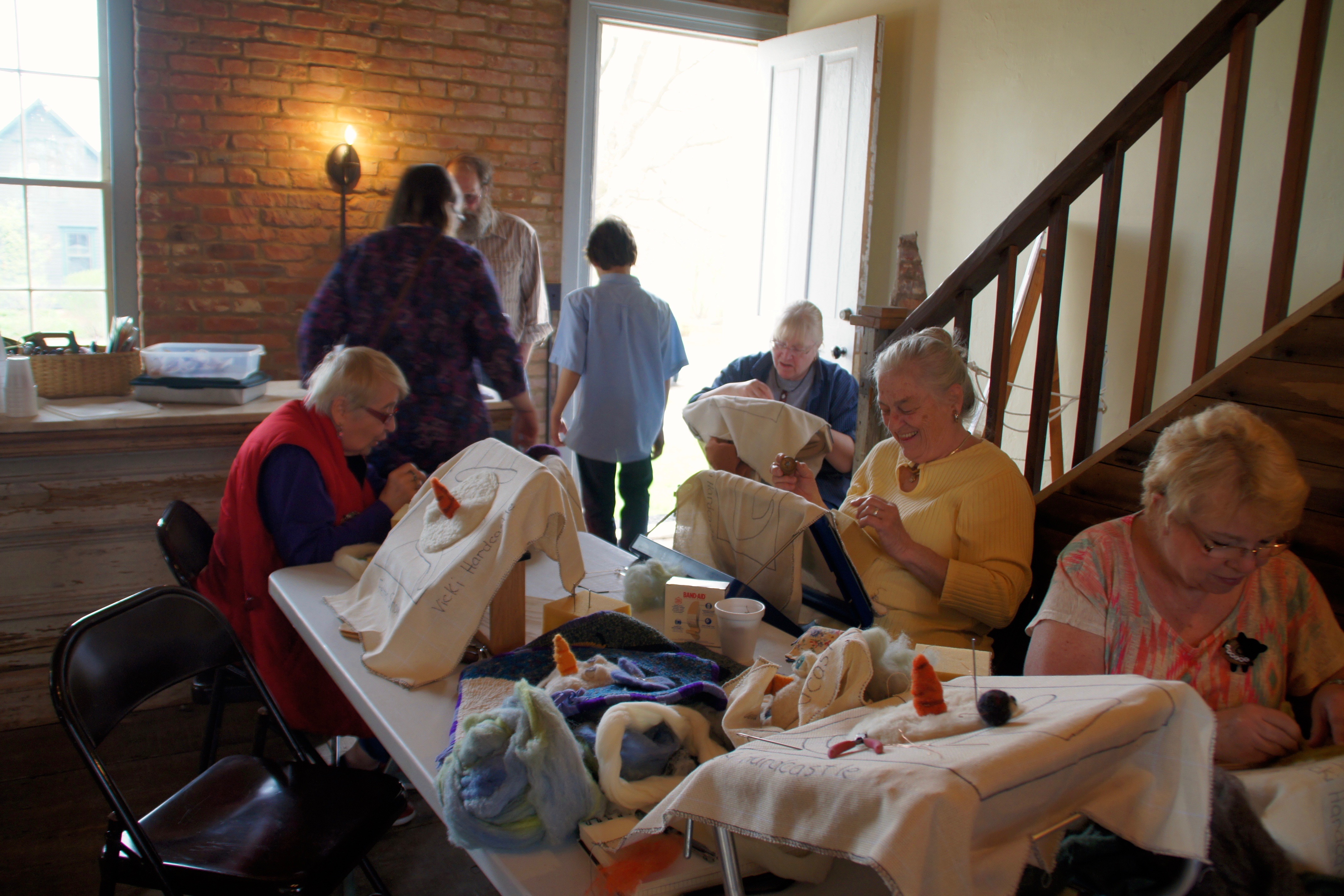
An elaborate needlework project.
Women of the Bishop Hill area gather for a rug-hooking workshop and plenty of camaraderie.
Whether or not you’re Swedish, Bishop Hill’s appeal lies not as much with the historic buildings as with the people who live there today. Unlike most historic villages where the “residents” are employees who dress in period costume and leave town at day’s end, Bishop Hill folk really live here and many are descendants of the original colonists. They stroll to the geranium-filled post office to collect their mail, work in the shops and on local farms, and gather for rug-hooking workshops. They enthusiastically volunteer for the many projects that keep Bishop Hill’s buildings maintained, its history vital and alive and that foster their own sense of community. For visitors, that translates to a surprisingly light-hearted “valkommen” given the stern faces of their relatives in the museum photos.
They’re an artsy bunch, too, who turn out an amazing array of art, handcrafts, music and musical instruments. Be sure to stop in at Prairie Arts Center where weavers, potters and broom makers demonstrate their crafts.
Bishop Hill especially comes alive from the early spring Valborg Bonfire to “burn away the old and welcome the new” to the sparkling Lucia Nights at Christmas. In between, the colony hosts antiques and quilt shows, a dulcimer and roots music fest, and Agriculture Days in September.
Getting There
Bishop Hill is about 400 miles from the Twin Cities via I-35 and I-80, about an hour southeast of the Quad Cities, and makes a great stop on your way to Chicago.
Checking In
Bishop Hill offers two lodging options. The Gallery Inn is in the old Colony Administration Building overlooking the park.
109 W. Main Street (309) 926-3080 http://www.bishiophillgalleryinn.com
The Twinflower Inn, is the Colony Hospital.
110 Olsen St., 309-696-0833 http://www.twinflowerinn.com
Nearby Kewanee also offers a range of modern motels; or, a little further away, book a room and a gourmet meal at the fantastic Chestnut Street Inn, 301 East Chestnut Street, Sheffield, 800-537-1304, http://www.chestnut-inn.com
Dining Out
Hours vary at Bishop Hill restaurants, but the food is delicious and homemade, no lutefisk
Read up on utopian communities in the U.S. with books such as Chris Jennings’s “Paradise Now.”
in sight.
The Bishop Hill Bakery & Eatery is open Wednesday through Sunday with a full array of baked goods and treats, soups, sandwiches and daily specials.
The Filling Station Restaurant serves breakfast Saturdays & Sundays, including their special Swedish Pancakes with lingonberries, lunch daily and dinner only on Friday nights with a different special each week.
P.L. Johnson’s Dining Room serves lunch every day and dinner on Saturdays from May to August.
Join Off the Beaten Path in welcoming Terri Peterson Smith, author of Off the Beaten Page: The Best Trips for Lit Lovers, Book Clubs, and Girls on Getaways. Smith will take us on a tour of America’s most fascinating literary destinations and will provide inspiration and suggestions to plan your own literary getaway.
The NASCAR season kicked off last weekend. It consists of 36 races, running February to November. I’m no racing aficionado, but I sure had a good time at the Daytona 500 on Sunday. I was able to take a “hot lap” of the track at 110 miles per hour.
Temperature right now in Minneapolis: -8 degrees. It was about the same yesterday when I took my dog for a gorgeous and sunny but “brisk” walk. There’s something satisfying and contrary about going for a walk in extreme cold.
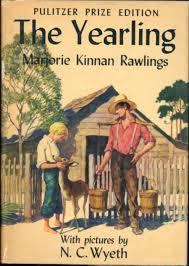
It’s also fun to talk to people where its warm and make plans for a visit. That’s why right now, as I sit under a blanket drinking hot coffee, I’m thinking about my recent conversation with Valerie Rivers, manager of Marjorie Kinnan Rawling Historic State Park, located in tiny Cross Creek, near Gainesville. The conversation started with, “When you come to the park in spring the smell of orange blossoms waft over you.” That’s enough to set me off to find one of Rawlings’s classic books such as The Yearling and to set me dreaming about a visit to her home, now a Florida State Park. My glasses are steaming up just thinking of it.
It’s hard to imagine Florida before the developers came. Yet, visiting Rawlings’s home where she settled in 1928 offers a glimpse of Florida before high rises and posh swimming pools, before air conditioning and even electricity–and bug spray. Rivers says fans of Rawlings’s classic novels find themselves transported into the world of The Yearling (winner of the Pulitzer Prize) or her memoir of living on this site, Cross Creek, as they tour her farmyard, orange grove, seasonal garden, trails and home.
“Marjorie Kinnan Rawlings’s books portray the land and the hardscrabble “cracker” people who first settled Florida,” says Rivers. She broadened my definition of the word “cracker” which I have always used as a synonym for “redneck.” (My aunt who lived in Florida called it “The Order of the Scarlet Nape.”) But, by Rivers’s definition, crackers were the early Florida settlers who loved the land and made a living on it, though barely.
Visitors may stroll the homestead here and take a tour of Rawlings’s home. For the short term anyway, I’ll do that in my mind with a copy of Cross Creek. As Rawlings said,”It is necessary to leave the impersonal highway, to step inside the rusty gate and close it behind. One is now inside the orange grove, out of one world and in the mysterious heart of another. And after long years of spiritual homelessness, of nostalgia, here is that mystic loveliness of childhood again. Here is home.”
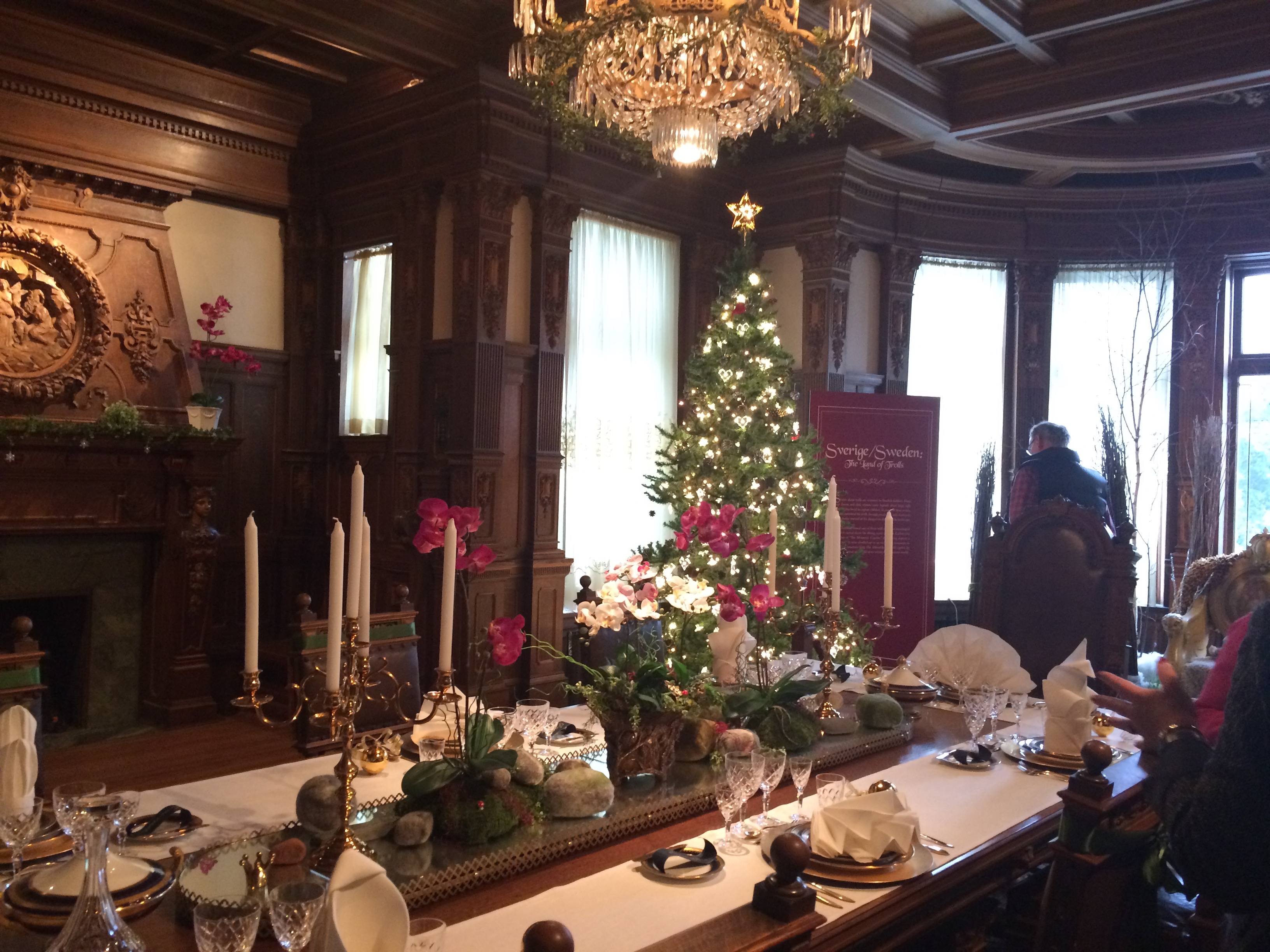
The dining room at the Turnblad Mansion at the American Swedish Institute
Snowy or not, one of the best places to go in in Minnesota for some Christmas cheer is the American Swedish Institute in Minneapolis. I just finished reading Michael Booth’s clever and insightful book about the Scandinavians,Almost Nearly Perfect People, so I was particularly motivated for an encounter with a place that offers a chance to rub elbows with so many fair-haired folks in intricately patterned sweaters.
This time of year, the Institute’s gorgeous Turnblad Mansion is festooned with trees, trolls, yule goats, and young women dressed as Lucia, flaming candles in their hair and all.
Six of the mansion’s 33 rooms are decorated each according to the Christmas customs of Iceland, Norway, Sweden, Denmark, Finland, and this year Minneapolis’s Museum of Russian Art, too. All these countries seem to have a fascination with mischief making trolls or elves, called variously tomte, nisse, jelasvieran, and joulupukki. (According to Booth, 54 percent of Icelanders believe in elves.) Whatever you call them, they’re great fun.
Another draw at ASI any time of year is its terrific restaurant Fika with some of the best meatballs you’ll ever have, and no lutefisk in sight. Gone are the days of tasteless white Scandinavian food. Chefs such as Sweden’s Magnus Nilsson have changed all that. Check him out at his restaurant Faviken in Sweden on Netflix’s “Mind of a Chef.”
Finally, the ASI gift shop will make you want to be a Scandinavian even if you’re not.
A trio of souvenir spoons, each a gift from a guest at Spoon and Stable restaurant in Minneapolis.
Chef Gavin Kaysen has a reputation, not only for his cuisine and his award-winning new restaurant Spoon and Stable in his hometown, Minneapolis, Minnesota. He’s also known for his collection of spoons—and how he obtains them. His collection was the inspiration for the the name of the new restaurant (along with the fact that it’s located in a former horse stable built in 1904), which was a 2015 James Beard Award finalist for Best New Restaurant.
He scours second-hand shops for spoons, others he has received as gifts from friends and from other restaurants because of his spoon-loving reputation. Others he has, well, pocketed. Sterling to to wrought iron, for Kaysen, it’s not just a collection of spoons, it’s “a collection of memories.”
The lure of spoons began for Kaysen when he was a 21-year-old pastry chef in Lausanne, Switzerland, learning to make the perfect quenelle of ice cream. On his days off, he used beef fat to practice making the elegant oval scoops. When he finally mastered the technique he kept the spoon he was using as a memento.
Kaysen continued that habit of spoon pilfering. For him, they offer a tangible memory of an experience whether is was a great meal, outstanding service or a beautiful dining space.
Knowing his penchant for spoons, guests in his restaurant now bring in spoons from their own collections to give Kaysen and they tell him the tales behind them. “I love their family stories,” he says. https://dailypost.wordpress.com/photo-challenges/trio/
Architecture was the theme of this window at Bergdorf Goodman in New York City.
It’s the time of year when retailers ramp up for the holidays with ornate holiday displays. Nowhere in the U.S. is the holiday decor more fantastic than in New York City. And, in New York you’ll find the most fabulous of all in the windows of Bergdorf Goodman.
I’ve been lucky enough for the last several years to be in New York during the holiday season. The corner of 5th and 58th is always my first destination to see what wonders they’ve come up with for the year. (I also enjoy touring the wonders inside the store, but window gazing is much more economical.)
Fabulously ornate windows at Bergdorf Goodman. The subject of this window: Literature. How many authors can you find?
The theme for last year’s windows was the arts, including architecture, theater, painting, music, and my favorite, literature–all absolutely and delightfully over the top. The Creators Project blog has an article about last year’s windows.
Sometimes you need to set your own boundaries, know your limitations. That’s especially the case with chilis.
They may merely add flavor to cooking or set your mouth ablaze in a manner that will send you running for the icewater (and have other repercussions, too, if you know what I mean.)
I was in New Mexico a couple of weeks ago where chilis–red and green–are in just about everything you eat. Fall is the height of chili season there and you’ll find them piled in farmers’ markets and smell them roasting, “New Mexico aromatherapy,” at the market or on the roadside. You’ll find them in restaurants any time of year. When ordering, your server may ask, “Red or green?” By that she means the color of chilis you want. If the answer in both, it’s common to say “Christmas.”
Some chilis hot, some not. In some cases it’s like playing roulette–one in ten is hot, you just don’t know until you eat it. Either way, they’re beautiful to look at.
Travel to the places you read about. Read about the places you travel.






 about my recent conversation with Valerie Rivers, manager of
  “Marjorie Kinnan Rawlings’s books portray the land and the hardscrabble “cracker” people who first settled Florida,” says Rivers. She broadened my definition of the word “cracker” which I have always used as a synonym for “redneck.” (My aunt who lived in Florida called it “The Order of the Scarlet Nape.”) But, by Rivers’s definition, crackers were the early Florida settlers who loved the land and made a living on it, though barely.
 anyway, I’ll do that in my mind with a copy of Cross Creek. As Rawlings said,”It is necessary to leave the impersonal highway, to step inside the rusty gate and close it behind. One is now inside the orange grove, out of one world and in the mysterious heart of another. And after long years of spiritual homelessness, of nostalgia, here is that mystic loveliness of childhood again. Here is home.”
 Six of the mansion’s 33 rooms are decorated each according to the Christmas customs of Iceland, Norway, Sweden, Denmark, Finland, and this year Minneapolis’s Museum of Russian Art, too. All these countries seem to have a fascination with mischief making trolls or elves, called variously tomte, nisse, jelasvieran, and joulupukki. (According to Booth, 54 percent of Icelanders believe in elves.) Whatever you call them, they’re great fun.
 Another draw at ASI any time of year is its terrific restaurant Fika with some of the best meatballs you’ll ever have, and no lutefisk in sight. Gone are the days of tasteless white Scandinavian food. Chefs such as Sweden’s Magnus Nilsson have changed all that. Check him out at his restaurant Faviken in Sweden on Netflix’s “Mind of a Chef.”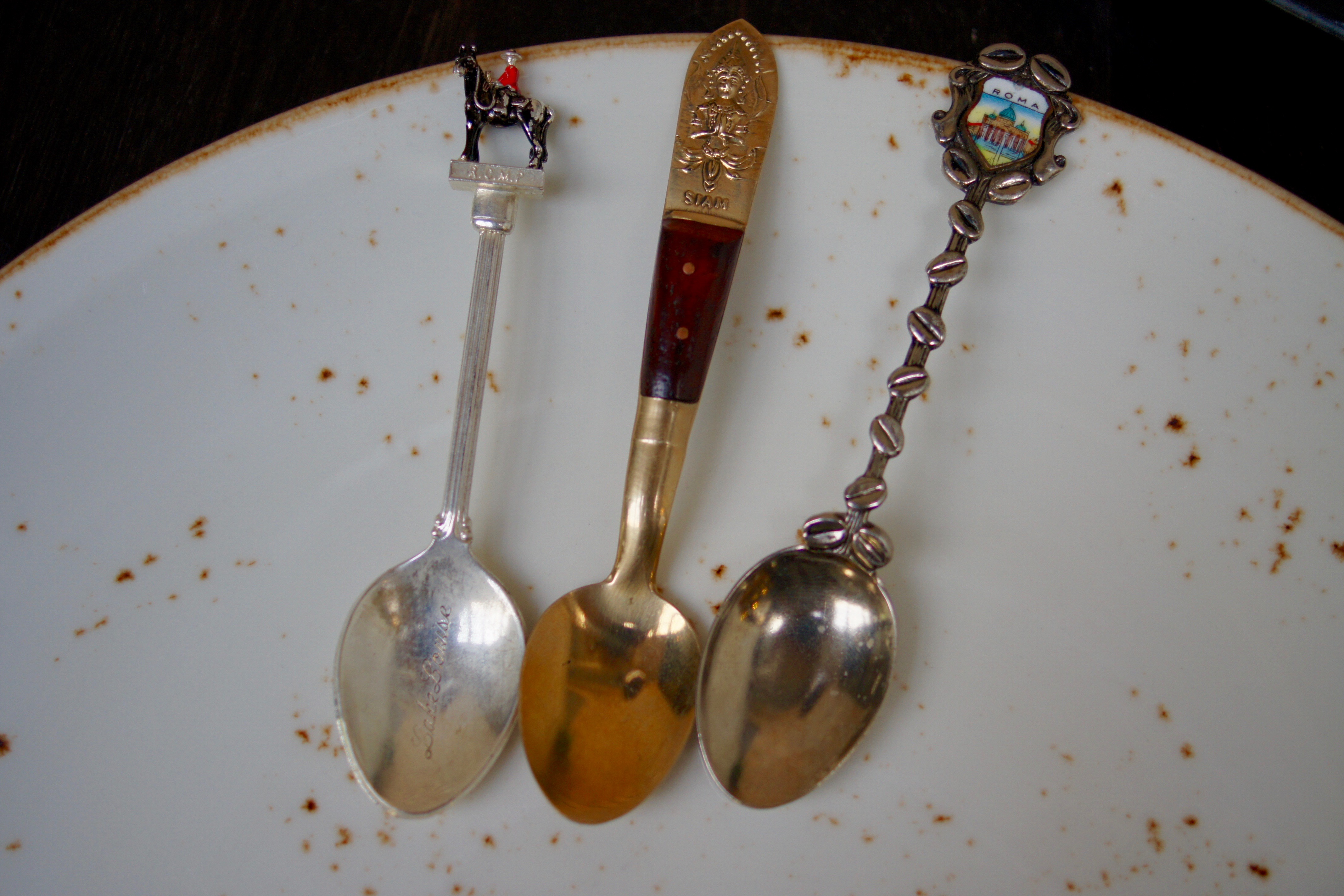






 Off The Beaten Page Travel