Category Archives: Literary Destinations

Getting Cozy With Clydesdales in St. Louis

On April 7, 1933 brothers August A. Busch, Jr. and Adolphus Busch III decided to surprise their father, August A. Busch, Sr., with a six-horse Clydesdale team pulling a bright red beer wagon to commemorate the repeal of Prohibition. They couldn’t have known at the time that they were setting in motion one of the world’s most recognizable corporate icons. Now, the “gentle giants” are beloved and recognized well beyond the beer brand they represent.

Children and adults can cozy up to these big guys at the Anheuser-Busch brewery in St.
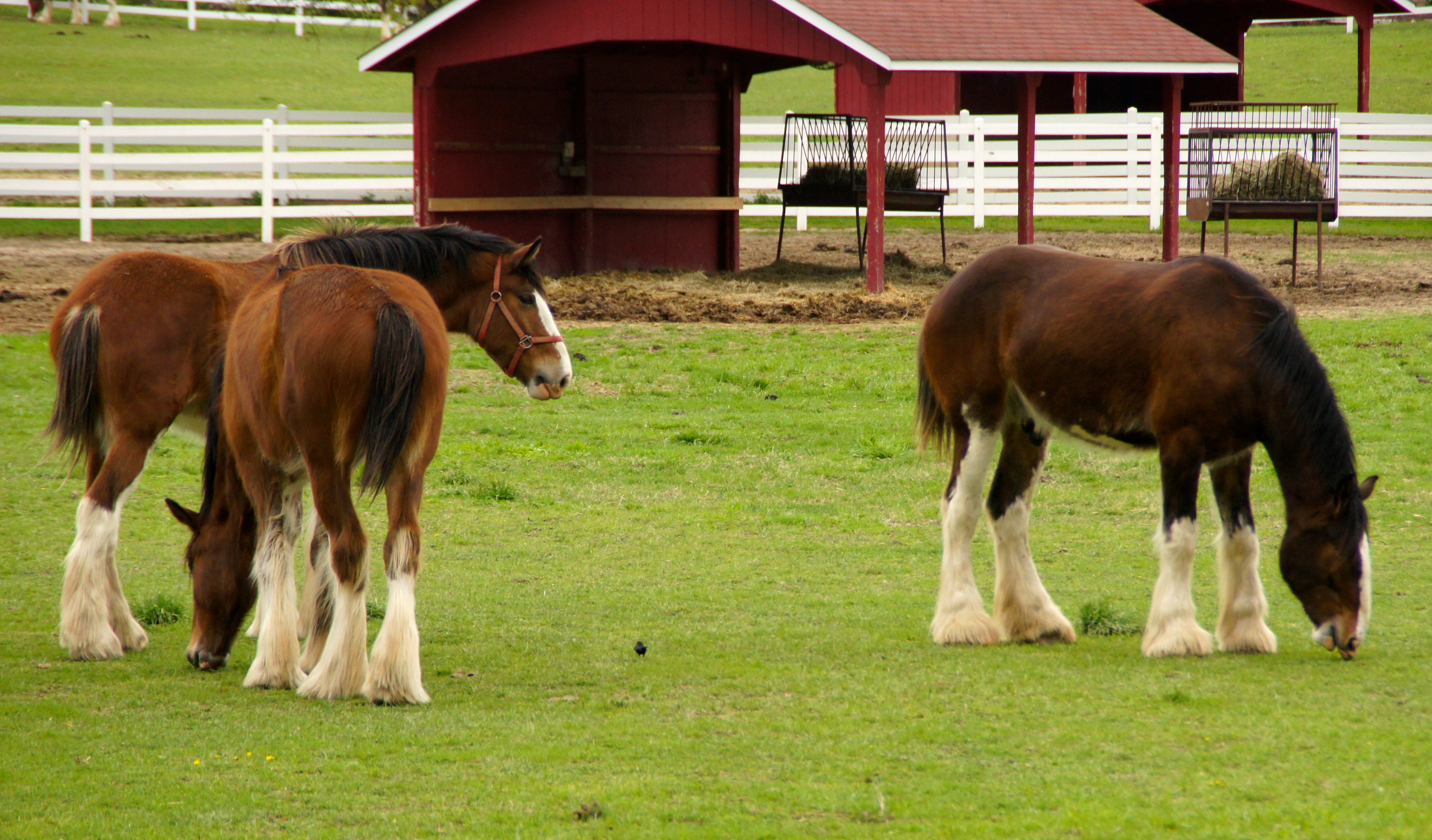
Gentle giants relax at the Clydesdale "prep school," Grants Farm in St. Louis.
Gentle giants relax at the Clydesdale “prep school,” Grants Farm in St. Louis.

Louis, Mo. which offers family friendly tours. Check out St. Louis Mom for her take on the tour. The horses also frolic in the fields at Grant’s Farm in St. Louis, the Clydesdale “prep school.” Grant Farm’s behind-the-scenes “Clydesdale Experience” tour provides an in-depth look at what it takes for a young Clyde to become an official Budweiser Clydesdale.  Guests tour the stables while gaining an inside look into the operations, the training process, and daily horse maintenance. Heaven for horse-loving kids. Reserve ahead! Warm Springs Ranch,  the 300-plus acre Clydesdale breeding farm located near Boonville, Mo., also offers tours.

Not just any Clydesdales qualifies for one of the traveling teams or “hitches.” A Budweiser Clydesdale must be a gelding at least four years of age, stand 72 inches at the shoulder when fully mature, weigh between 1,800 and 2,300 pounds, have a bay coat, four white legs, a white blaze (that big stripe on his nose), and a black mane and tail, so not all the horses make the team.
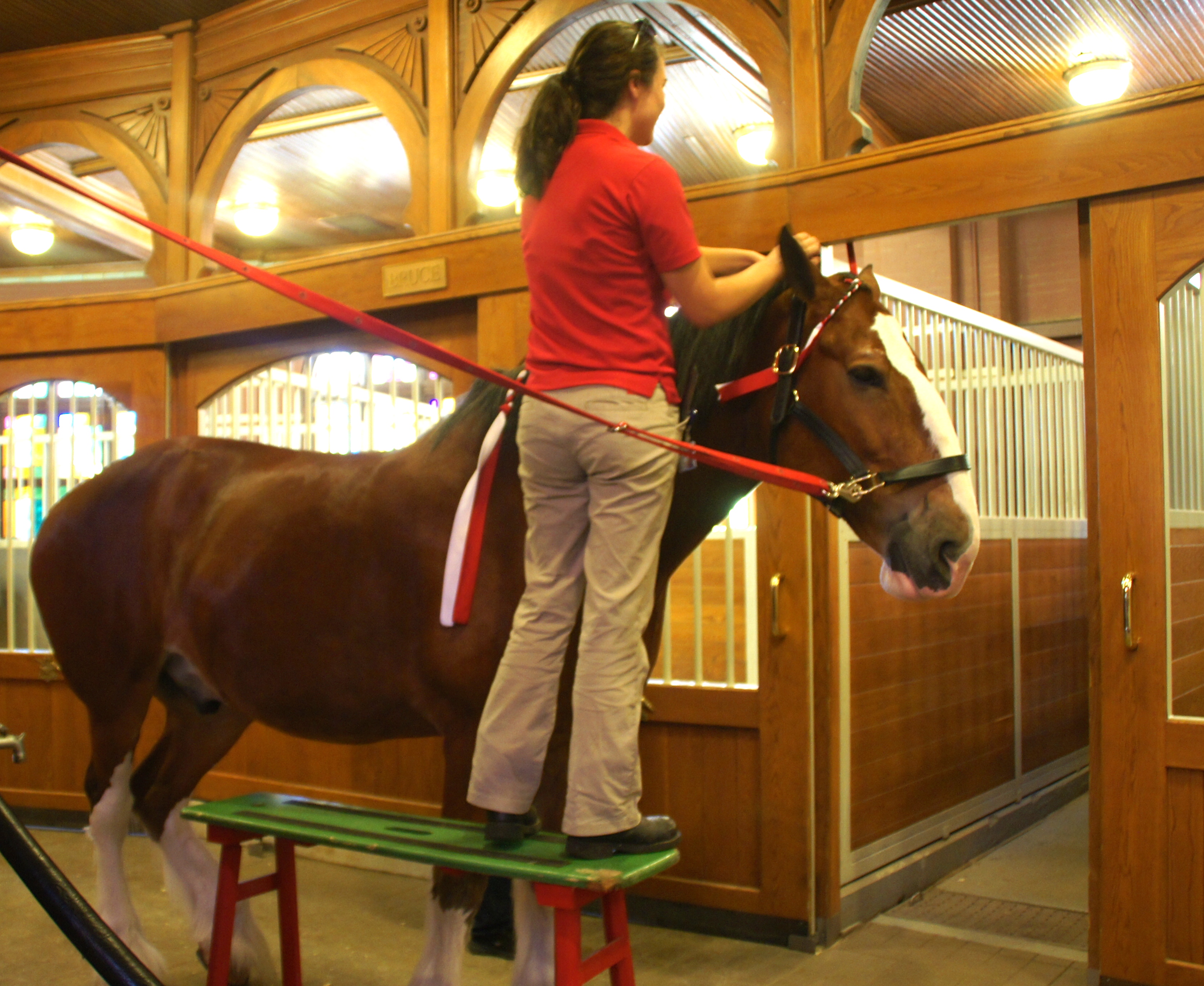
A Clydesdale mani-pedi and mane braiding

Ah, to be a Clydesdale! (aside from the gelding part.) The official home of the Budweiser Clydesdales is an ornate brick, stained-glass, and chandelier-festooned stable, built in 1885 on the historic 100-acre lAnheuser-Busch St. Louis brewery complex. The building is one of three located on the brewery grounds that are registered as historic landmarks by the federal government. It’s much nicer and cleaner than most people’s homes.

There, the horses are brushed, curried, trimmed and shod like movie stars. When relaxing they wear stunning red coats sporting an embroidered “A” monogram.  At work they wear hand-crafted patent leather and brass harnesses that weigh in at 130 pounds, a mere speck if you weigh 1800 pounds yourself, and fancy plumes on their heads.

The horses and the brewer have come a long way since the dark days of Prohibition from 1920 to 1933. Rather than close its doors, as more than half of the nation’s breweries did, Anheuser-Busch diversified and marketed more than 25 different non-alcohol products such as soft drinks, truck bodies and ice cream, among them Bevo, a non-alcohol cereal beverage. Yum. It’s no wonder the Busch family was as happy as Clydesdales in clover when the twenty-first amendment to the U.S. Constitution ended Prohibition.

But they wouldn’t have made it through Prohibition without ingenuity and savvy marketing skills and they soon realized the marketing potential of that horse-drawn beer wagon. So, the company also arranged to have a second six-horse Clydesdale hitch sent to New York on April to celebrate the event. The Clydesdales drew a crowd of thousands as they clattered down the streets of New York City to the Empire State Building. After a small ceremony, a case of Budweiser was presented to former Governor Alfred E. Smith in appreciation of his years of service in the fight against Prohibition.

Recognizing that they had a pretty good thing going with the Clydesdales the company extended their tour through New England and the Middle Atlantic States, drawing giant crowds along the way. That included a stop in Washington D.C. in to reenact the delivery of one of the first cases of Budweiser to President Franklin Delano Roosevelt.

Still, the brewers couldn’t have imagined the horses they harnessed as a publicity stunt would turn into a brand icon and the annual stars of the Superbowl.

Read Up!:
Unknown-3All the King’s Horses: The Story of The Budweiser Clydesdales by Steven D. Price.

For Kids:
9781616638696medRuby, the Diva Clydesdale 
by Ramona Lampe

Claude The Clumsy Clydesdale by Marion E. Altieri
Claude_Cover2-194x264

Unknown-2The Clydesdale Horse by John Diedrich

Seeing Red: How to Fly With the Cardinals in St. Louis

Embed from Getty ImagesIt’s a sea of red.

Walk anywhere around beautiful Busch Stadium in St. Louis before a Cardinals game and you can’t help but be caught up in the tide of red-clad baseball fans. Even if you lack dyed-in-the-(red)-wool citizenship in Cardinals Nation, their enthusiasm for the team is infectious. You, too, will become a fan, if only for a night.

But, you don’t want to appear a total rookie, blowing in from out of town like a bad throw from left field. Instead, brush up on the local baseball lore so you can dazzle your companions in the bleachers when you casually mention “Stan the Man,” Willie McGee, or perhaps Ducky Medwick. (I just like to say “Ducky Medwick.”) To do that, head over to the newly opened Ballpark Village, a $100 million entertainment complex adjacent to Busch Stadium and make your first stop at the Busch II Infield adjacent to the village. The new stadium opened in 2006 but Busch II is laid out along the same lines as the old ballpark’s diamond giving fans a chance to walk the sacred ground once tread upon by legends, as well as partake of another local legend, Ted Drewes frozen custard.

Next stop in your education: Cardinals Nation, inside Ballpark Village, where you’ll

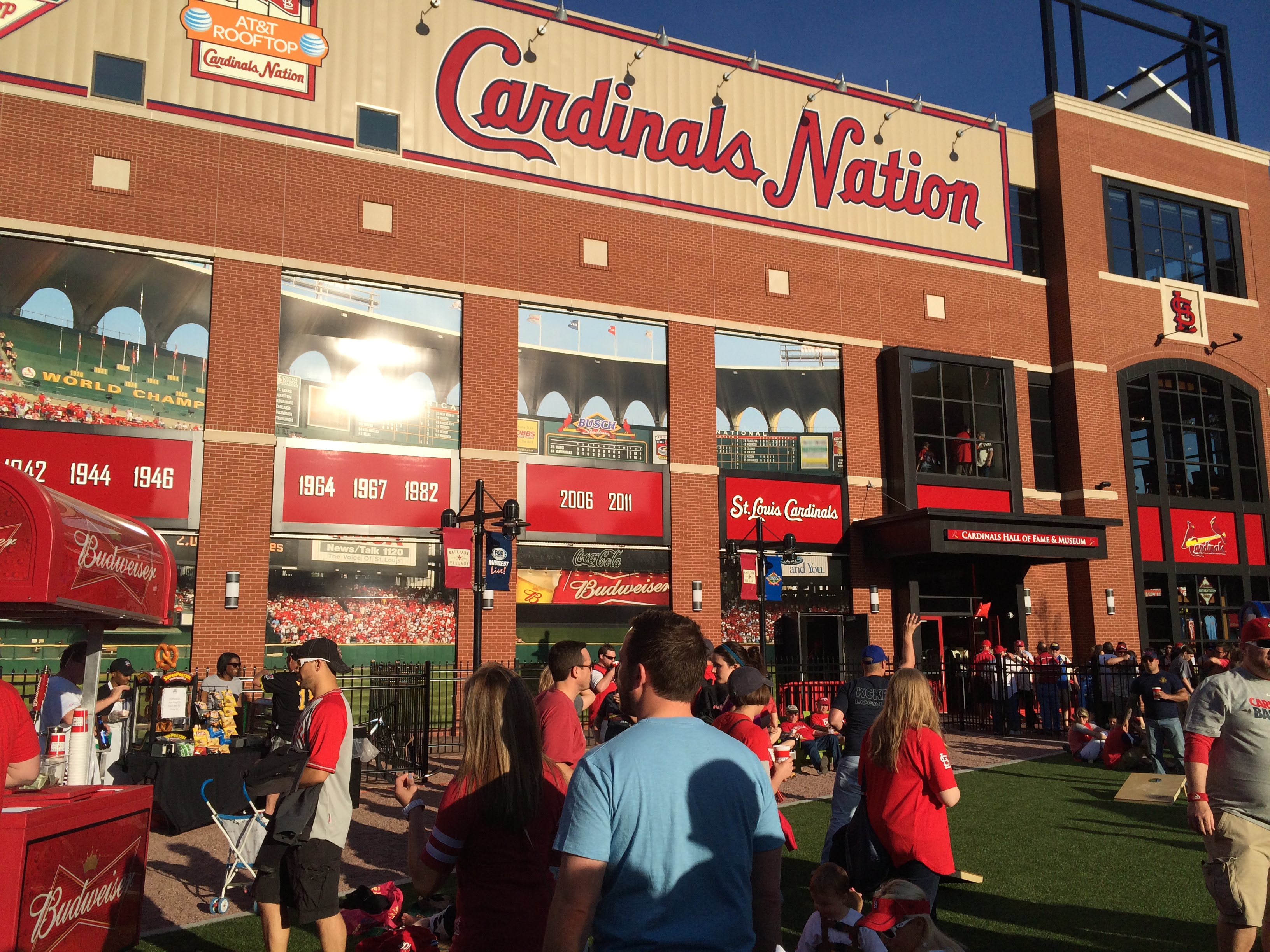
From the field at Busch II, outside Baseball Village, the windows reflect the Cardinals' Busch Stadium.
From the field at Busch II, outside Baseball Village, the windows reflect the Cardinals’ Busch Stadium.

find The St. Louis Cardinals Hall of Fame Museum. It boasts the largest team-held collection in Major League Baseball, second only to the National Baseball Hall of Fame, with over 16,000 memorabilia items and over 80,000 archival photographs. Along with the museum, Cardinals Nation contains a two-story restaurant and a roof top deck with a view of the game. Also inside Ballpark Village you’ll find FOX Sports Midwest Live! which features a stage for live concerts and performances, a state-of-the-art 40 foot diagonal high definition LED screen, and immersive LED ribbon boards that will encircle the two level space; PBR St, Louis: A Cowboy Bar which claims to have “the world’s meanest mechanical bull;” the Budweiser Brewhouse, and several other establishments that make this a year-round destination.

Finally, to sound like a real insider, you’ll want to hit the books. I know that beer, not books, may be the first word you associate with baseball, but you won’t be sorry if you complete your Cardinals curriculum with a few of the reading ideas I got from Ron Watermon, the team’s VP of communications, which appear below along with a couple of my own.  For more great baseball books, see my post Major League Vacation.  This effort may seem a little disloyal to your home team. My newfound enthusiasm for the Cards makes me feel a little like I’m cheating on my other boyfriends, the Minnesota Twins (if only they’d win more often) and the Detroit Tigers (who I grew up with). But what the heck, when in St. Louis…. So, read up, drink up, batter up— and be sure to wear red.

Unknown-2Stan Musial: An American Life by George Vecsey


Unknown-8One Last Strike:Fifty Years in Baseball, Ten and a Half Games Back, and One Final Championship Season by Tony La Russa


Unknown-73 Nights in August: Strategy, Heartbreak, and Joy Inside the Mind of a Manager by Buzz Bissinger


Unknown-3100 Things Cardinals Fans Should Know & Do Before They Die by Derrick Goold


And for Kids,

St. Louis Cardinals 101 by Brad M. Epstien51vLIE4OC5L._AA160_


41WMSemd17L._AA160_Meet the Cardinals by Mike Kennedy and Mark Stewart


Great Books for Children on Earth Day

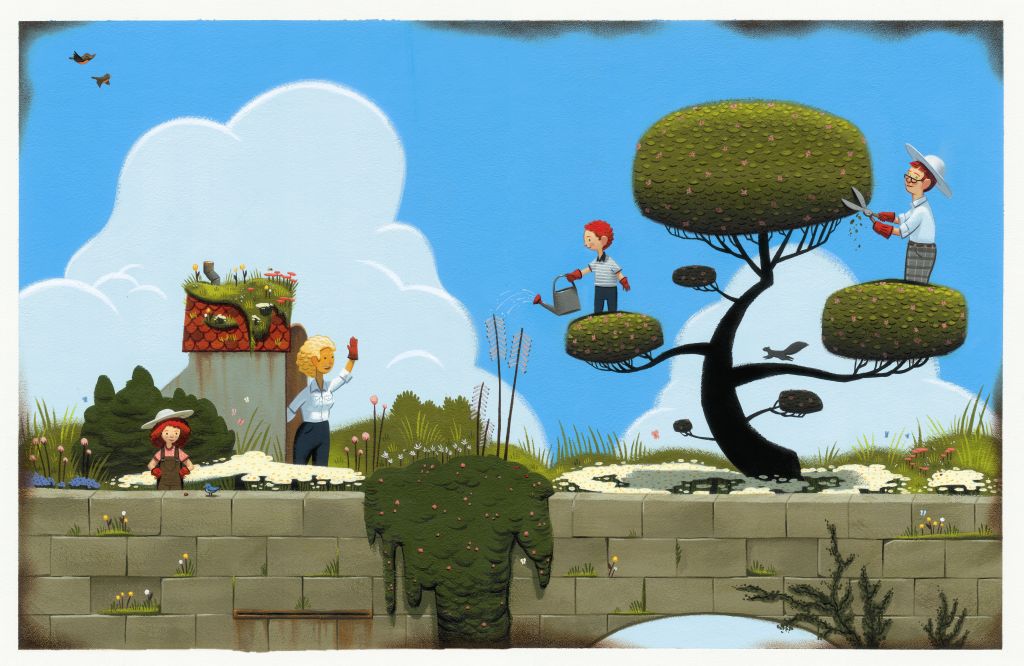
An illustration fron Peter Brown's beautiful children's book "The Curious Garden."
An illustration fron Peter Brown’s beautiful children’s book “The Curious Garden.”

If you’ve spent any time reading this blog, you know my goal is to encourage people to READ and GO. Literary travel means reading a great book and going where it takes place or to the type of place the book is set, which can be right in your own town. Literary travel allows you to experience both the book and the place in a more intimate way. And, it’s a great way to expose children to the pleasures of reading, giving them more ways to relate to books and their subjects.

Take, for example, the topic of Earth Day. What better way to help kids understand the

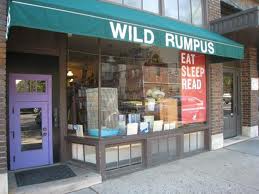
Wild Rumpus Book Store in Minneapolis
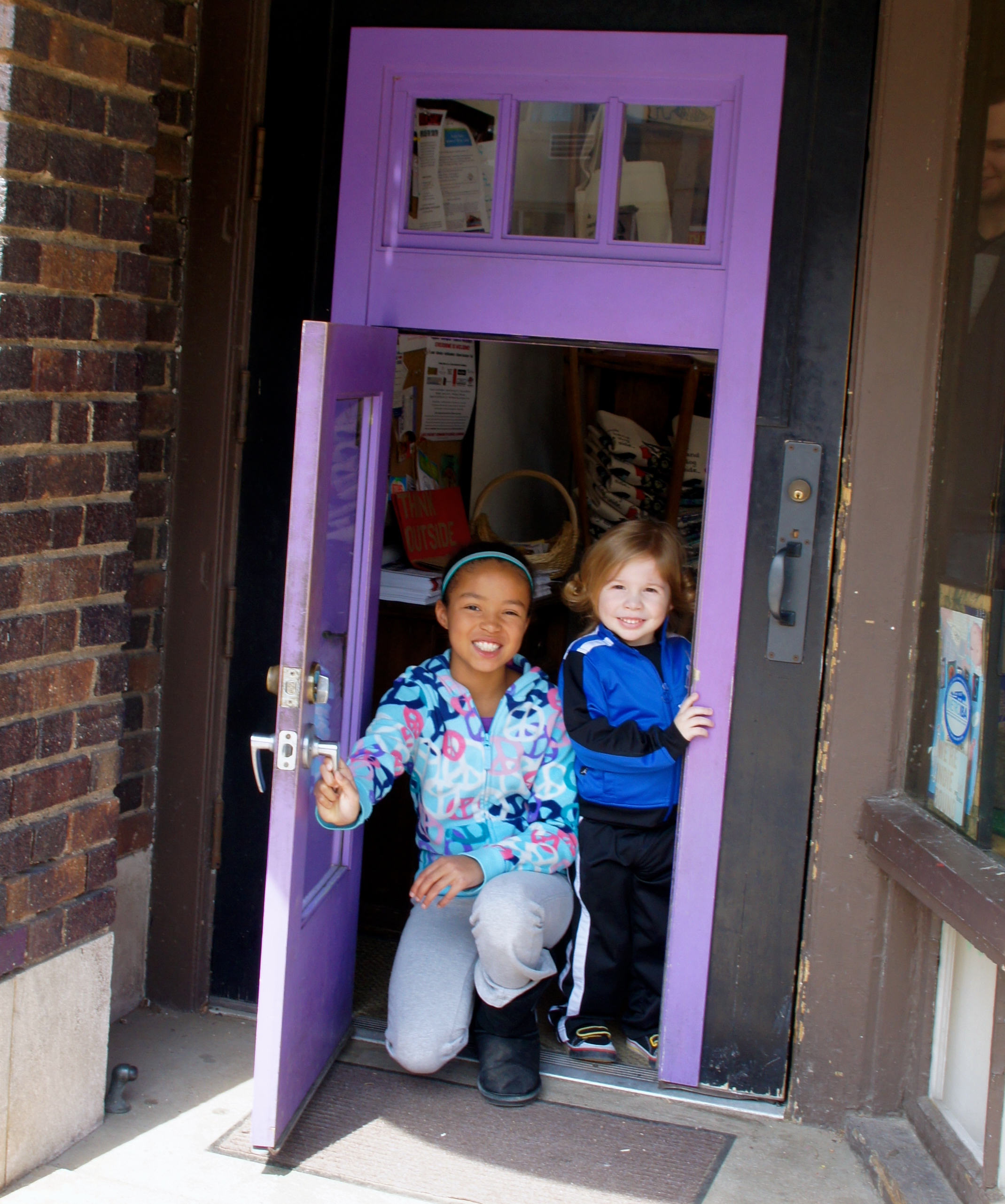
Exiting Wild Rumpus through the child-size purple door.

concept of caring for the environment than by reading a super-engaging book on the topic and then venturing out on a lit trip to a local park, garden, or community Earth Day event? Listen up grandparents, aunts and uncles and others who seek interesting ways to interact with the children in your life. You should put Last Child in the Woods: Saving Our Children From Nature-Deficit Disorder on your list.

For a few great book suggestions, I stopped by one of the country’s all-time best children’s bookstores, Wild Rumpus in Minneapolis. I have to admit that since my children are grown, I look for just about any excuse to wander into this store, which is full of fun booksellers, live animals, special events, and cozy reading spots, not to mention books, books, books. It’s pretty entertaining just watching children and their families interact with everything in the store. Don’t have kids? Wild Rumpus has a great selection of YA and adult books, and you can still enjoy the animals.

Here are a few of their Earth Day reading suggestions:

 The Curious Garden by Peter Brown

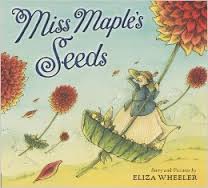
Unknown-10Miss Maples’ Seeds by Eliza Wheeler

Unknown-3Celebritrees— Historic and Famous Trees of the World by Margi Preus

Unknown-2


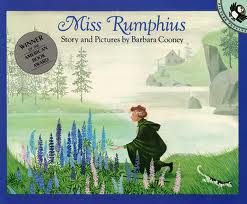
Miss Rumphius by Barbara Cooney


A Short Visit at O. Henry’s Tiny House in Austin, Texas

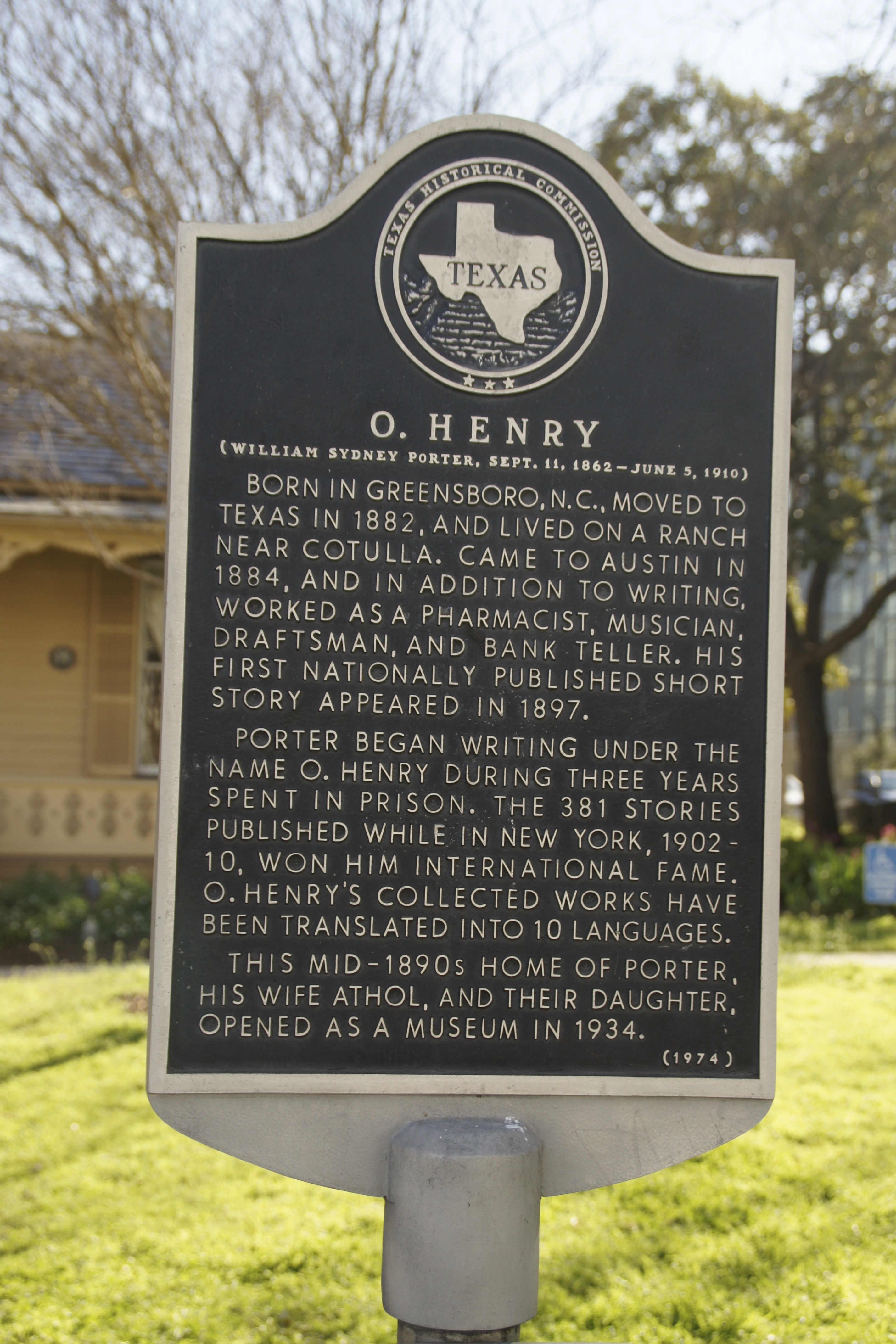
Before William Sydney Porter, aka O. Henry wrote his famous short story “The Gift of the Magi,” he lived for a few years in Austin, Texas. The tiny house he rented survives as a museum. It’s tucked in right next to the giant Hilton Austin in the center of town and this property looks like it would have great potential to become a parking lot or fast food joint, and in fact it barely missed the wrecking ball back in the 1930s.

As I’ve mentioned in a previous post on authors’ homes, the places where famous authors SONY DSClived are often a disappointment compared to the places they describe in their books.  And,  a huge modern building right next door doesn’t help you envision the author’s life as it was in the 1800s.  Nonetheless, if you’re in Austin, you should pay a call at Porter’s house, if only to get a taste of how people lived at the time. The price is right, too.  It’s free, but please make a donation when you leave.

While he resided here (1893 to 1895), Porter made his living drawing maps for the General Land Office and publishing a paper called the Rolling Stone (quite different from the current publication of that name).  Before you go, be sure to read a couple of his most famous stories–“The Gift of the Magi” or “The Ransom of Red Chief.”

Unknown-10
William Sydney Porter, aka O. Henry

Ah, the symbolism. If Porter could see his tiny home now, wedged in next to the giant hotel, I’m sure he would find inspiration for another story.


Weekly Photo Challenge: Monuments — The Eiffel Tower Transformed

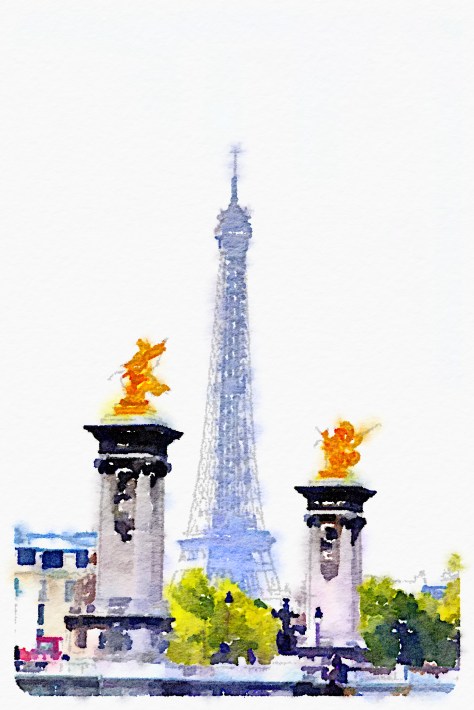
The Eiffel Tower, with the Waterlogue app.

The Eiffel Tower is one of the most famous monuments in the world, which means it has

The original photo
The original photo

been photographed at every possible angle and every time of day since construction began in 1887. But I’m not so interested in telling you about the Eiffel Tower as I am in letting you know about an an app that that I’ve had great fun playing with, Waterlogue, which turns photos into some pretty cool watercolor painting-like images. It works on any Apple iPhone, iPad or iPod touch that is running iOS version 7 or great. You download a photo, and apply one of Waterlogue’s filters. And, Voila!

As a result, my photo, which is just like those that millions of other tourists have taken, now looks a little different. Give it a try.  There are some serious crafty possibilities.


Plantation Vacation 2: “Gone With the Wind” Meets “12 Years a Slave”

Charleston is one this country’s oldest cities and also one of the most active cities for historic preservation. That has paid off handsomely in terms of attracting tourists who are drawn to the city’s broad, elegant boulevards and its dizzying array of pastel colors and architectural styles—Colonial, Federal, Georgian, Italianate, Victorian—like bees to honey.

The John Rutledge House Inn on Broad Street features the fabulous iron work that was frequently the art of African Americans.
The John Rutledge House Inn on Broad Street features the fabulous iron work that was frequently produced by enslaved African people.


Yet for years, Charleston’s tale was only half-told. The truth is behind all the beauty, antebellum charm, the Gone With The Wind-type nostalgia for plantation life, and the honor of the boys in gray, lies the story of the people who built it all—enslaved Africans. They manufactured the brick and the ornate metalwork of those beautiful buildings, grew the crops and raised generations of children, too. But, their story was either ignored all together or told as if slavery offered sort of a lucky opportunity to be cared for as part of the plantation family. Historians believe as many as 40 percent of all enslaved Africans who came to North America entered through Charleston, making it the Ellis Island of Africans in the U.S. Consequently, nearly 80 percent of African Americans can potentially trace an ancestor who arrived through Charleston. That’s a huge group of people to ignore.

Yet, just as the winds of change blew through Tara, they’ve also blown through Charleston.Unknown-4 They came literally in the form of Hurricane Hugo in 1989 and the subsequent restoration of the city. They also blew in with fresh voices who are interpreting the history of the South in a richer and more accurate form. For example, in 1998, author Edward Ball, who descended from a dynasty of Charleston rice planters, broke the taboo against talking about the city’s slave heritage. His book, Slaves in the Family, which won the National Book Award, chronicles the Ball family history as slaveholders and his discovery of his black relatives, who descended from relationships between his plantation-owning forbears and their slaves. With breakthrough movies such as 12 Years a Slave, it’s impossible to maintain a rosy picture of slavery.

Now, in Charleston you can visit the Old Slave Mart museum, which seeks to interpret the history of enslaved Africans who arrived through this port. It’s a small museum but the big new International African American Museum will open in Charleston in 2018. In the meantime, they offer a great educational web site as does the Convention and Visitor’s Bureau.  For more of the African American perspective, you may also want to tour the city with Gullah Tours.

Drayton Hall plantation stands by the Ashley River, just south of Charleston. It's my favorite area plantation because it has been left "as is."
Drayton Hall plantation stands by the Ashley River, just south of Charleston. It’s my favorite area plantation because it has been left “as is.”

The plantations along the Ashley River Road (see my previous post) south of the city have also broadened way they interpret the plantations’ history to visitors by including the role of enslaved Africans in plantation life in their tours.

No matter where your ancestors came from, it’s a more satisfying trip when you receive an accurate picture of what is our collective history.

Plantation Vacation

Drayton Hall plantation stands by the Ashley River, just south of Charleston.

Irene Levine, among many other things, writes a wonderful blog, More Time to Travel: Advice on Travel After 50.  Her recent post is a collaborative effort with several other travel bloggers, including me, on the topic of plantations.  As you’ll see, “plantation” doesn’t necessarily mean the kind in Gone With the Wind.   Still, while I’m on the topic, here is a link to my previous post about Charleston, which is the starting point for a journey down Ashley River Road south of the city.  There you’ll find three fascinating plantations–Drayton Hall, Magnolia Plantation and Gardens, and Middleton Place.  And now is a great time to visit.  More in my next post.

It’s Summer in My Mind: Dreaming of Cape Ann, Massachusetts

Sea breezes wafting over my bare skin, the smell of salt air, warm sun, gentle waves lapping on the shore….

In complete contrast to my last post on the Lake Superior ice caves,  I’m presently traveling to a warm weather spot, at least in my mind. I’m pondering plans for summer travel and looking fondly at my pix from last summer on Cape Ann, north of Boston, Mass.

Known as "Motif #1" to artists, this building is a Rockport icon.
Known as “Motif #1” to artists, this building is a Rockport icon.

Minnesota is beautiful in summer, but there’s just something captivating about New England that time of year and Cape Ann, known as Massachusetts’s “other cape” is a great place to experience it– in Gloucester, which is still a fishing town, and just to the north, the village of Rockport which has, for the most part, shifted from fishing to tourism.  Rockport is so darned adorable that on visits there my husband requires a periodic dose of ESPN to counteract the charm overload.

Everything in this part of the country is really old, like 1600s old, hence the charm, and the ocean has been the focus of life here for hundreds of years.  So before you go, you’ll want to break out a couple of classics of seafaring literature to enhance your appreciation of the area’s maritime traditon. They include Rudyard Unknown-3Kipling’s Captains Courageous, a story of  cod fishermen who work between Gloucester and Newfoundland;  Sebastian Junger’s The Perfect Storm Unknown-7about the ill-fated Gloucester fishermen of the Andrea Gail; and  Mark Kurlansky’s  The Last Fish Tale: The Fate of the Atlantic and Survival in Gloucester, America’s Oldest Fishing Port and Most Original Town. For more area literature, see my post about nearby Dogtown.

But put down your book.  There’s plenty to do on the water such as kayaking, stand-up paddling, and whale watching.  And, if you’re a imagesseafood lover, stroll down Bearskin Neck in Rockport to Roy Moore’s lobster shack. Eat it on the deck in back or take it out for a beach picnic.  Last year, there was a lobster surplus so we felt it our duty to help alleviate that problem. Also,  the Red Skiff gets my vote for the world’s best fish chowder.

Like any resort community, Rockport has its share of art galleries.  Some of the best are on Main Street where you’ll also find Toad Hall bookstore and another gem, The Shalin Liu Performance Center, where a giant window with a view of the harbor serves as a backdrop for the music.  As you can imagine, the area abounds with charming inns, B&Bs and homes for rental.

Cape Ann is one of the destinations in my book, Off The Beaten Page: The BeatenPage_12 4Best Trips for Lit Lovers, Book Clubs, and Girls on Getaways where you’ll find many other ideas for getaways year-round. 

Hydrangeas in Rockport.

A Frozen Trek to Lake Superior’s Icy Sea Caves

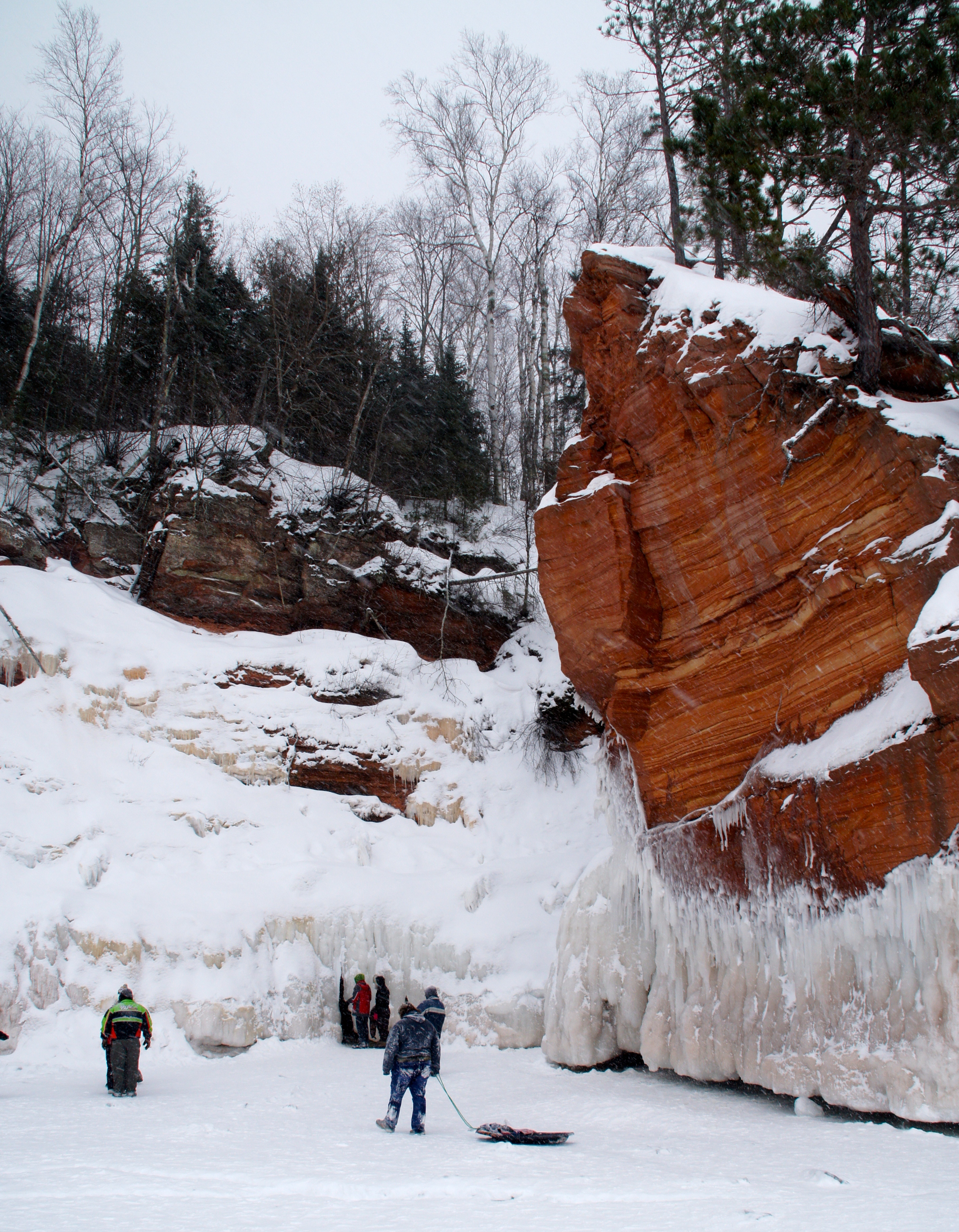
Sea caves in winter.  Apostle Islands National Lakeshore
Sea caves in winter. Apostle Islands National Lakeshore

Okay, all you friends of mine who keep posting your tan beach vacation pix on Facebook…..

The sea caves on the western shore of Lake Superior near Bayfield, Wisconsin, have

Duffy came along on our ice adventure to the sea caves, Apostle Islands National Lakeshore.

been forming over thousands of years as the action of the water carved out vast caverns in the sandstone cliffs. They’re typically reachable only in summer by boat or kayak. The caves are remarkable enough in the summer, but in winter they’re frosted with thick icicles, hoar frost and fanciful ice formations.  Problem is, you can’t usually see them.  Right now, for the first time five years, due to the consistently frigid weather, the ice is sufficiently thick for frozen nature lovers to make the trek out to the caves.  The Great Lakes in the last week reached its broadest ice coverage in 20 years at 88 percent, with Lake Superior at about 95 percent.

Thousands of hearty souls are making the three-mile round-trip hike to the caves.

To some people, going to ice covered sea caves on Lake Superior must seem like a trip to Siberia.  But this year, the caves have received huge media attention. So despite the fact that the trip isn’t for the underdressed or infirm, thousands of people are making the hike. At times the bundled up figures silently trudging in the same direction through the vast expanse of white looked like they stepped from that Dennis Quaid movie, The Day After Tomorrow. You expect to find a frozen-over New York City just around the bend, but the destination is far more like the place you’d Santa’s workshop in the movie Elf, or maybe a scene from Frozen.

You can’t just hop out of your car to see the caves. The round-trip trek takes about three

Ice coats the sandstone cliffs on Lake Superior that are usually only accessible by boat.

hours or more over a well-packed and slippery path with little cover to break the sometimes fierce winds. The caves are part of the Apostle Islands National Seashore and their web site offers an Ice Line to check on current conditions. (Or, you may want to just enjoy these photos from the warmth of your computer.)

The popularity of the caves has been a huge bonus for the area’s winter tourist business. If you want to avoid the crowds, go on a weekday.  And if you’re looking for a cozy place to stay, check out the Rittenhouse Inn B&B in Bayfield. The little shops in Bayfield are happy to welcome visitors to the area and sell you any extra warm weather gear you may need and the Apostle Islands Booksellers offers terrific books to hunker down with when you return from your trip.

A Tour of Hemingway Haunts in Paris

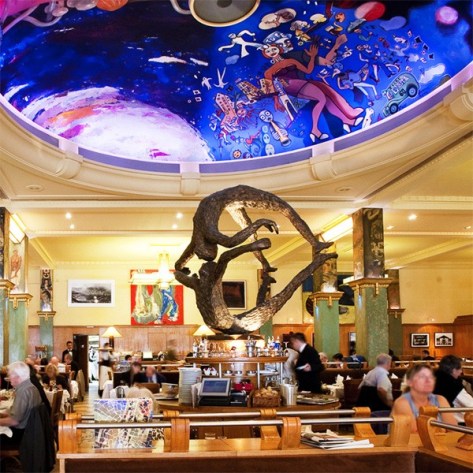
La Cupole in Paris
La Cupole in Paris

There are certain aspects of Paris that have always captured my imagination, most of them in some way related to literature.  The French Revolution, for example, fascinates me, a fact I trace back to middle school when I read Dickens’s A Tale of Two Cities. Charles Darnay, Sydney Carton, Madame DeFarge and her nasty band of peasant rebels all made Paris seem real to me long before I had an opportunity to actually see it. Then, Victor Hugo’s Hunchback of Notre Dame and Les Miserables added to my panorama of Paris.

From Victor Hugo, fast forward to the Jazz Age of the 1920s, when artists and writers swarmed to Paris like bees to honey. If you saw Woody Allen’s Midnight in Paris, you have a feel for the era when American expat writers such as Hemingway and Fitzgerald lived in Paris but seem to spend more time carousing than writing. That was about 90 years ago, but you can still see most of the places that Hemingway describes so beautifully in A Moveable Feast.  The book is  a virtual guidebook to the places he found most remarkable when he lived in Paris with is first wife, Hadley in the 1920s (and with subsequent wives later on).

The story goes that, in the 1950s, a trunk full of notes on his first years in Paris turned up at the Ritz Hotel. That gave him the raw material to write A Moveable Feast. So, take a little stop at the Ritz, near the Place Vendôme, especially at the hotel’s Hemingway Bar. During the Liberation of Paris in 1944, Hemingway considered it one of his first duties to “liberate” the Ritz bar and order martinis all around. Here at the Ritz, Hemingway asked Mary Welsh to become his fourth wife. The hotel is closed for renovations but will open this year.  CoCo Chanel lived at the Ritz and one of the rooms in the Imperial Suite re-creates one of Marie-Antoinette’s rooms at Versailles.

The apartment where Hemingway and his "Paris Wife," Hadley, were "very poor and very happy."
The apartment where Hemingway and his “Paris Wife,” Hadley, were “very poor and very happy.”

If, like most of us, you lack the Versailles-level budget required to stay at the Ritz, consider staying in the Contrescarpe neighborhood where Hemingway lived in the 1920s. Be sure to pause at 74 Rue de Cardinal Lemoine where he and Hadley lived from 1922 to 1923, “the Paris of our youth, when we were very poor and very happy.”  He describes their apartment:

Home in the rue Cardinal Lemoine was a two-room flat that had no hot water and no inside toilet facilities except an antiseptic container, not uncomfortable to anyone who was used to a Michigan outhouse.”

This apartment is where Hemingway wrote The Sun Also Rises, the book that made him famous. Below it is a shop that used to be a bal-musette or dance hall. It appears in The Sun Also Rises as the bal where we first meet Lady Brett. (Rest assured, you don’t have to live like a starving artist in this neighborhood. If you can book far enough ahead, try the Hotel D’Angleterre where Hemingway once stayed.) Wander Place Contrescarpe, a rough old square packed with cafes and apartments that couldn’t have changed since the 1920s. Take a morning stroll through the Marche Mouffetard (prime time is Saturday and Sunday morning), a fantastic market with produce, cheese, wine and just about anything you’ll need for your own feast, a picnic by the Seine or in the nearby Luxembourg Gardens.

Strolling among the "bouquinistes" along the Seine in Paris.
Strolling among the bouquinistes along the Seine in Paris.

If you walk downhill from Hemingway’s apartment on Cardinal Lemoine  you’ll come to the Seine where you’ll see the famed expat bookstore, Shakespeare and Co., and across the street, Notre Dame Cathedral. From here, you can follow the steps of Jake and Bill in The Sun Also Rises as they circle the Île St-Louis. The stalls of the  bouquinistes–sellers of antique books, magazines and a bit of tourist trash–line the walk along the river. Hemingway used to stroll here and chat with the booksellers.  “I would walk along the quais when I had finished work or when I was trying to think something out.  It was easier to think if I was walking and doing something or seeing people doing something that they understood.”

He adds, “With the

Hemingway might be surprised to see his book “A Moveable Feast” among the books sold by “bouquinistes” in Paris.

fishermen and the life on the river, the beautiful barges with their own life on board, the tugs with the smokestacks that folded back to pass under the bridges, pulling a tow of barges, the great elms on the stone banks of the river, the plane trees and in some places the poplars, I could never be lonely along the river.”

You won’t feel lonely in any of the many famous cafes along Boulevard du Montparnasse, either. Okay, they’re pricey and popular with tourists, but worth it if you want to sample jazz age cafe life.  The Closerie des Lilas, for example, at 171 Boulevard du Montparnasse  is a lovely cafe where Hemingway wrote and Scott Fitzgerald read him The Great Gatsby. La Coupole, at number 102, is a vast art deco brasserie, brightly painted by Brancusi and Chagall.

Finally, to really get the swing of the Paris of Hemingway’s era, wander the medieval lanes of the Latin Quarter where you’ll find the great jazz club Le Caveau de la Huchette at 5 rue de la Huchette.  Though it wasn’t around during Hemingway’s time, it surely has much of the era’s joie de vivre. In Le Caveau’s ancient vaulted cellar you’ll find a dance floor, a swing band, and people dancing like Mexican jumping beans on a hot skillet. Sit back and watch Parisians enjoy la belle vie or join in the dancing. It’s your own moveable feast. As Hemingway concluded, “There is never any ending to Paris and the memory of each person who has lived in it differs from that of any other.”