So you think the idea of visiting a presidential library sounds about as interesting as watching paint dry. I was in your camp until I visited the LBJ Presidential Library in Austin Texas. I expected lots of yellowed documents, some photos, and “Mad Men” era tchotchkes. What I got was a tour of some of the most dramatic events of American history, in which Lyndon Baines Johnson was intimately involved. They include the civil rights movement, the Vietnam War, the space program, and his transition to the office of President after the assassination of John F. Kennedy, to name a few.
The signing of the Civil Rights Act 50 years ago puts LBJ’s role in that issue at the forefront this year. Johnson “pushed for legislation to fix societal problems, signing bill after bill, act after act. From the War on Poverty to Civil Rights, Medicaid to Medicare, he knew a better society wasn’t enough — we needed a Great Society. Put simply, he got things done.”
His legacy in this area is only now being recognized because it was previously overshadowed by his administration’s handling of the Vietnam War. At the museum, one sees a portrait of a man tortured by his responsibilities as commander-in-chief during that unpopular war. But the library informs visitors on the other sides of Johnson, who was often a funny guy and a savvy politician, who twisted plenty of congressional arms to further his legislation. Most importantly, the museum gives visitors historical context for so many of issues with which Americans struggle today.
If you have time, head for the hills….Texas Hill Country, that is…to see the LBJ ranch.
Read up:
Doris Kearns Goodwin’s Lyndon Johnson and the American Dream
Robert Caro’s many volumes of work about LBJ includingThe Path to Power and The Master of the Senate
Robert Califano’s The Triumph and Tragedy of Lyndon Johnson: The White House Years
Two newer books, The Bill of the Centuryby Clay Risen and An Idea Whose Time Has Come By Todd S. Purdum
On April 7, 1933 brothers August A. Busch, Jr. and Adolphus Busch III decided to surprise their father, August A. Busch, Sr., with a six-horse Clydesdale team pulling a bright red beer wagon to commemorate the repeal of Prohibition. They couldn’t have known at the time that they were setting in motion one of the world’s most recognizable corporate icons. Now, the “gentle giants” are beloved and recognized well beyond the beer brand they represent.
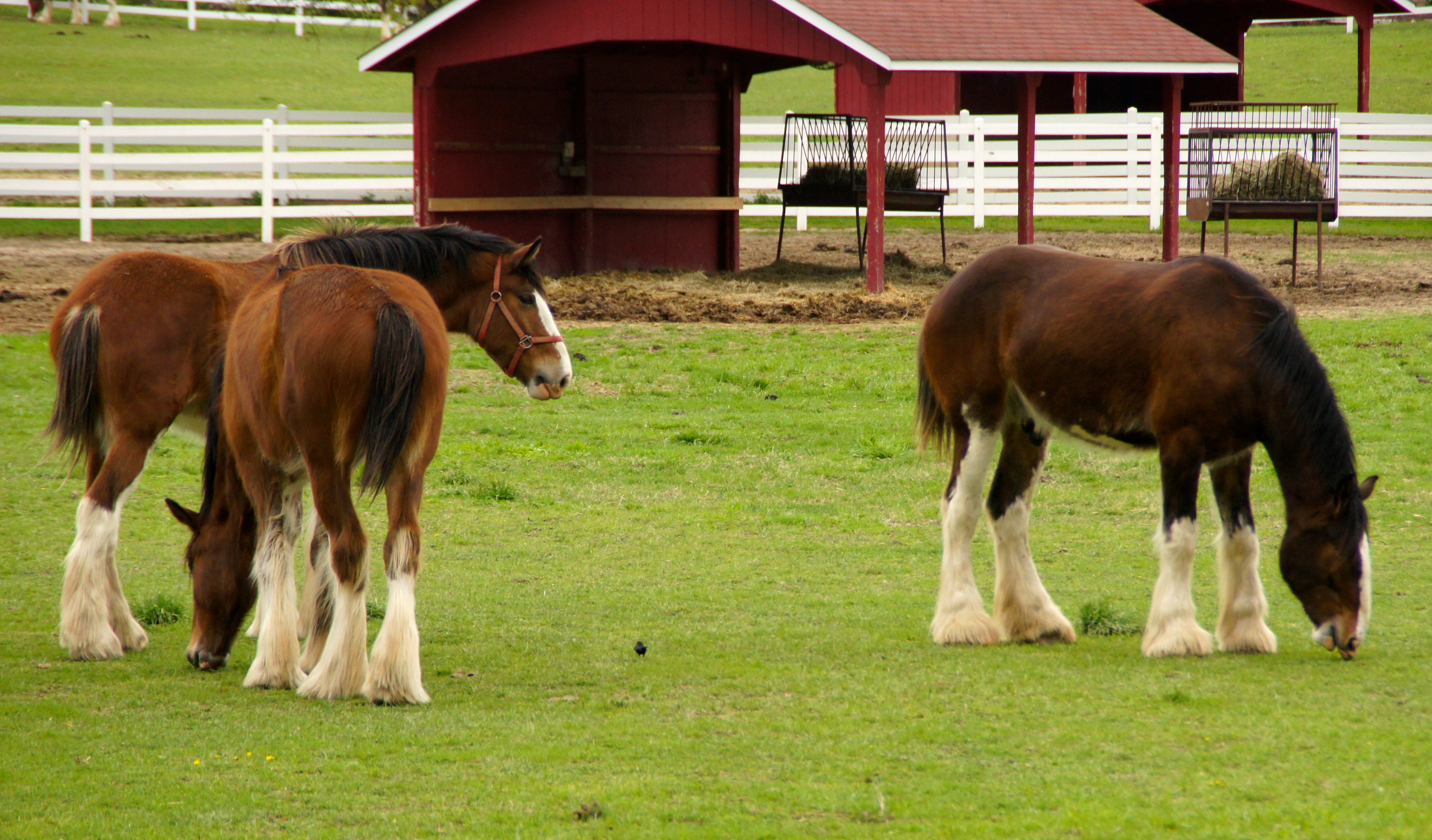
Gentle giants relax at the Clydesdale “prep school,” Grants Farm in St. Louis.
Louis, Mo. which offers family friendly tours. Check out St. Louis Mom for her take on the tour. The horses also frolic in the fields at Grant’s Farm in St. Louis, the Clydesdale “prep school.” Grant Farm’s behind-the-scenes “Clydesdale Experience” tour provides an in-depth look at what it takes for a young Clyde to become an official Budweiser Clydesdale. Guests tour the stables while gaining an inside look into the operations, the training process, and daily horse maintenance. Heaven for horse-loving kids. Reserve ahead! Warm Springs Ranch, the 300-plus acre Clydesdale breeding farm located near Boonville, Mo., also offers tours.
Not just any Clydesdales qualifies for one of the traveling teams or “hitches.” A Budweiser Clydesdale must be a gelding at least four years of age, stand 72 inches at the shoulder when fully mature, weigh between 1,800 and 2,300 pounds, have a bay coat, four white legs, a white blaze (that big stripe on his nose), and a black mane and tail, so not all the horses make the team.
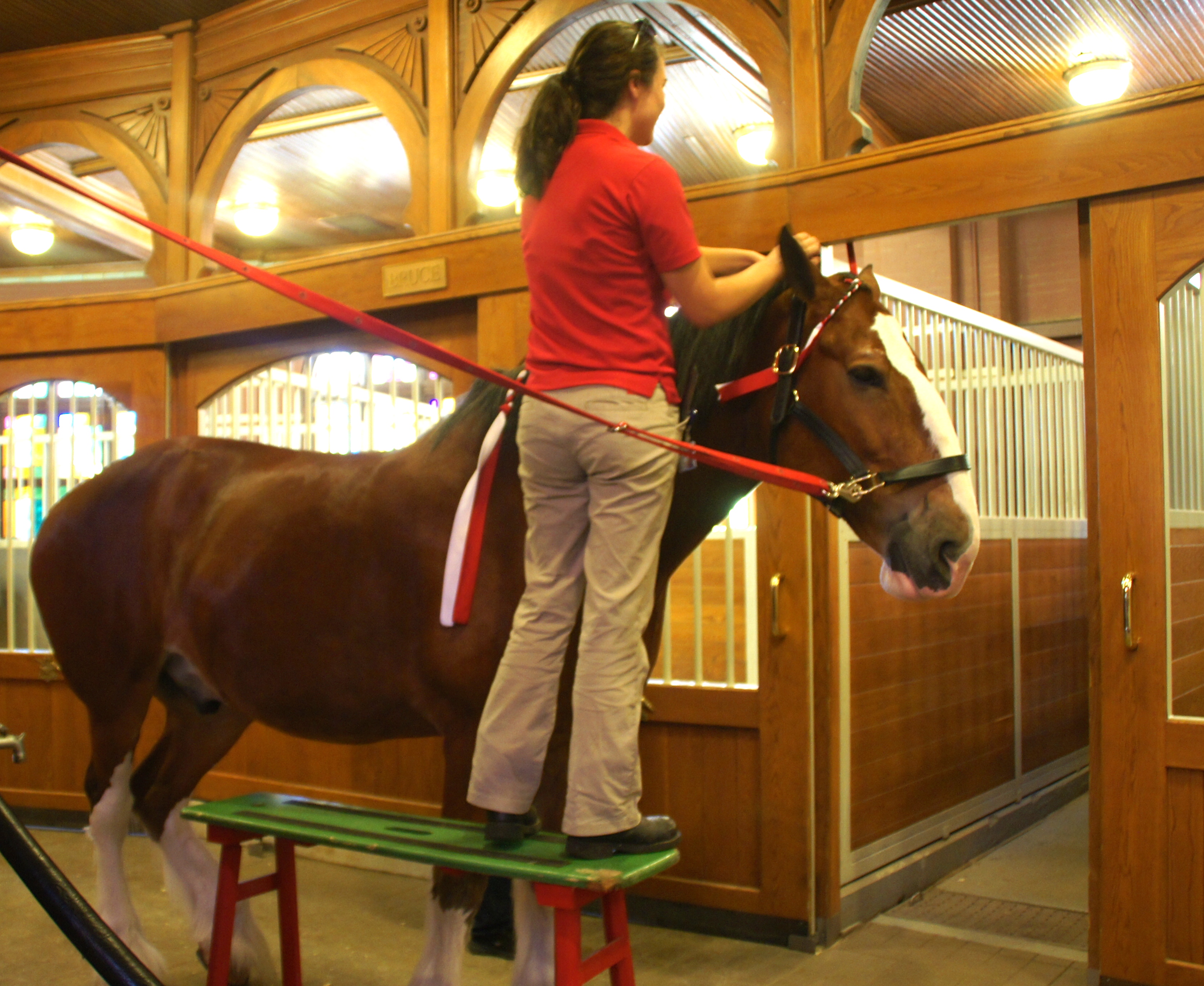
A Clydesdale mani-pedi and mane braiding
Ah, to be a Clydesdale! (aside from the gelding part.) The official home of the Budweiser Clydesdales is an ornate brick, stained-glass, and chandelier-festooned stable, built in 1885 on the historic 100-acre lAnheuser-Busch St. Louis brewery complex. The building is one of three located on the brewery grounds that are registered as historic landmarks by the federal government. It’s much nicer and cleaner than most people’s homes.
There, the horses are brushed, curried, trimmed and shod like movie stars. When relaxing they wear stunning red coats sporting an embroidered “A” monogram. At work they wear hand-crafted patent leather and brass harnesses that weigh in at 130 pounds, a mere speck if you weigh 1800 pounds yourself, and fancy plumes on their heads.
The horses and the brewer have come a long way since the dark days of Prohibition from 1920 to 1933. Rather than close its doors, as more than half of the nation’s breweries did, Anheuser-Busch diversified and marketed more than 25 different non-alcohol products such as soft drinks, truck bodies and ice cream, among them Bevo, a non-alcohol cereal beverage. Yum. It’s no wonder the Busch family was as happy as Clydesdales in clover when the twenty-first amendment to the U.S. Constitution ended Prohibition.
But they wouldn’t have made it through Prohibition without ingenuity and savvy marketing skills and they soon realized the marketing potential of that horse-drawn beer wagon. So, the company also arranged to have a second six-horse Clydesdale hitch sent to New York on April to celebrate the event. The Clydesdales drew a crowd of thousands as they clattered down the streets of New York City to the Empire State Building. After a small ceremony, a case of Budweiser was presented to former Governor Alfred E. Smith in appreciation of his years of service in the fight against Prohibition.
Recognizing that they had a pretty good thing going with the Clydesdales the company extended their tour through New England and the Middle Atlantic States, drawing giant crowds along the way. That included a stop in Washington D.C. in to reenact the delivery of one of the first cases of Budweiser to President Franklin Delano Roosevelt.
Still, the brewers couldn’t have imagined the horses they harnessed as a publicity stunt would turn into a brand icon and the annual stars of the Superbowl.
Read Up!: All the King’s Horses: The Story of The Budweiser Clydesdales by Steven D. Price.
For Kids: Ruby, the Diva Clydesdale
by Ramona Lampe
Walk anywhere around beautiful Busch Stadium in St. Louis before a Cardinals game and you can’t help but be caught up in the tide of red-clad baseball fans. Even if you lack dyed-in-the-(red)-wool citizenship in Cardinals Nation, their enthusiasm for the team is infectious. You, too, will become a fan, if only for a night.
But, you don’t want to appear a total rookie, blowing in from out of town like a bad throw from left field. Instead, brush up on the local baseball lore so you can dazzle your companions in the bleachers when you casually mention “Stan the Man,” Willie McGee, or perhaps Ducky Medwick. (I just like to say “Ducky Medwick.”) To do that, head over to the newly opened Ballpark Village, a $100 million entertainment complex adjacent to Busch Stadium and make your first stop at the Busch II Infield adjacent to the village. The new stadium opened in 2006 but Busch II is laid out along the same lines as the old ballpark’s diamond giving fans a chance to walk the sacred ground once tread upon by legends, as well as partake of another local legend, Ted Drewes frozen custard.
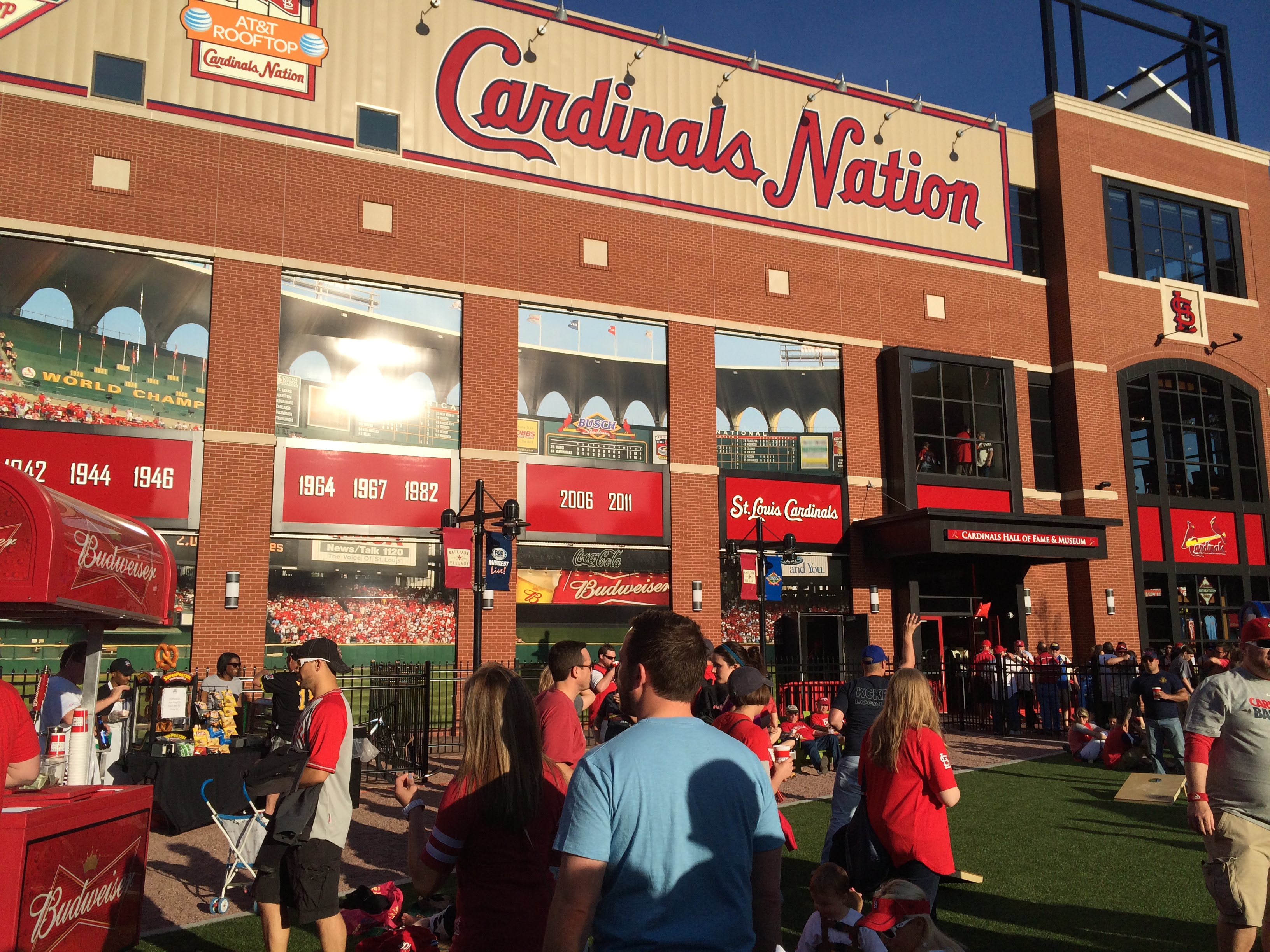
Next stop in your education: Cardinals Nation, inside Ballpark Village, where you’ll
From the field at Busch II, outside Baseball Village, the windows reflect the Cardinals’ Busch Stadium.
find The St. Louis Cardinals Hall of Fame Museum. It boasts the largest team-held collection in Major League Baseball, second only to the National Baseball Hall of Fame, with over 16,000 memorabilia items and over 80,000 archival photographs. Along with the museum, Cardinals Nation contains a two-story restaurant and a roof top deck with a view of the game. Also inside Ballpark Village you’ll find FOX Sports Midwest Live! which features a stage for live concerts and performances, a state-of-the-art 40 foot diagonal high definition LED screen, and immersive LED ribbon boards that will encircle the two level space; PBR St, Louis: A Cowboy Bar which claims to have “the world’s meanest mechanical bull;” the Budweiser Brewhouse, and several other establishments that make this a year-round destination.
Finally, to sound like a real insider, you’ll want to hit the books. I know that beer, not books, may be the first word you associate with baseball, but you won’t be sorry if you complete your Cardinals curriculum with a few of the reading ideas I got from Ron Watermon, the team’s VP of communications, which appear below along with a couple of my own. For more great baseball books, see my post Major League Vacation. This effort may seem a little disloyal to your home team. My newfound enthusiasm for the Cards makes me feel a little like I’m cheating on my other boyfriends, the Minnesota Twins (if only they’d win more often) and the Detroit Tigers (who I grew up with). But what the heck, when in St. Louis…. So, read up, drink up, batter up— and be sure to wear red.
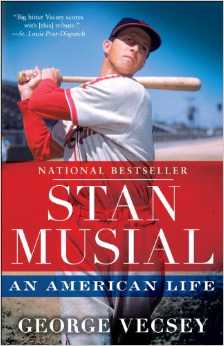
Stan Musial: An American Lifeby George Vecsey
One Last Strike:Fifty Years in Baseball, Ten and a Half Games Back, and One Final Championship Season by Tony La Russa
3 Nights in August: Strategy, Heartbreak, and Joy Inside the Mind of a Manager by Buzz Bissinger
100 Things Cardinals Fans Should Know & Do Before They Die by Derrick Goold
And for Kids,
St. Louis Cardinals 101 by Brad M. Epstien
Meet the Cardinals by Mike Kennedy and Mark Stewart
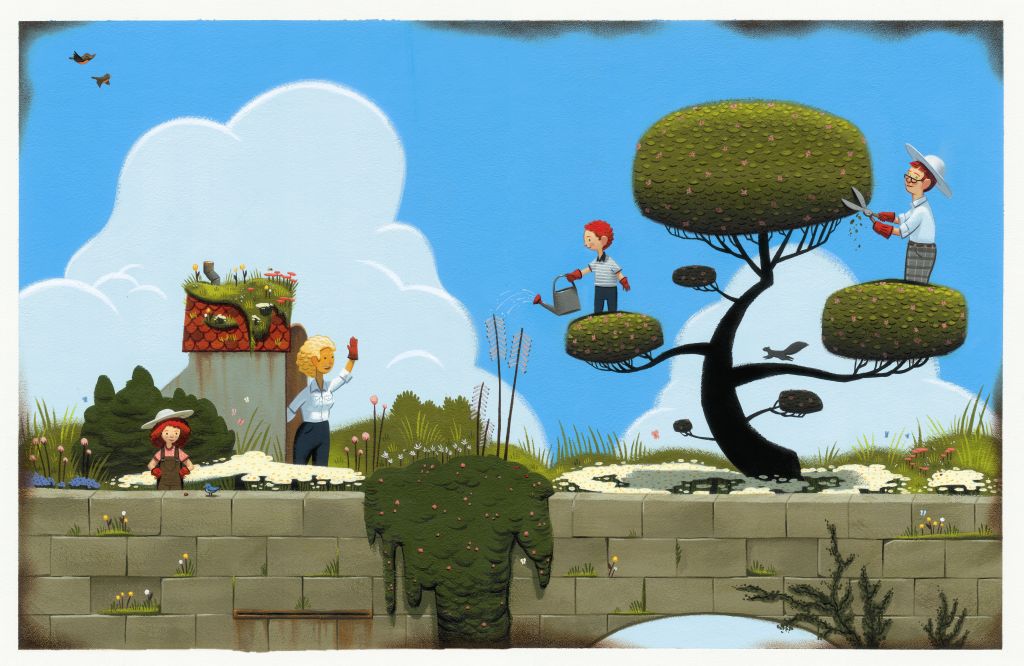
An illustration fron Peter Brown’s beautiful children’s book “The Curious Garden.”
If you’ve spent any time reading this blog, you know my goal is to encourage people to READ and GO. Literary travel means reading a great book and going where it takes place or to the type of place the book is set, which can be right in your own town. Literary travel allows you to experience both the book and the place in a more intimate way. And, it’s a great way to expose children to the pleasures of reading, giving them more ways to relate to books and their subjects.
Take, for example, the topic of Earth Day. What better way to help kids understand the
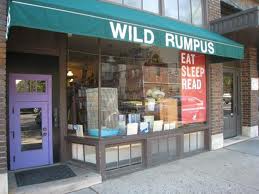
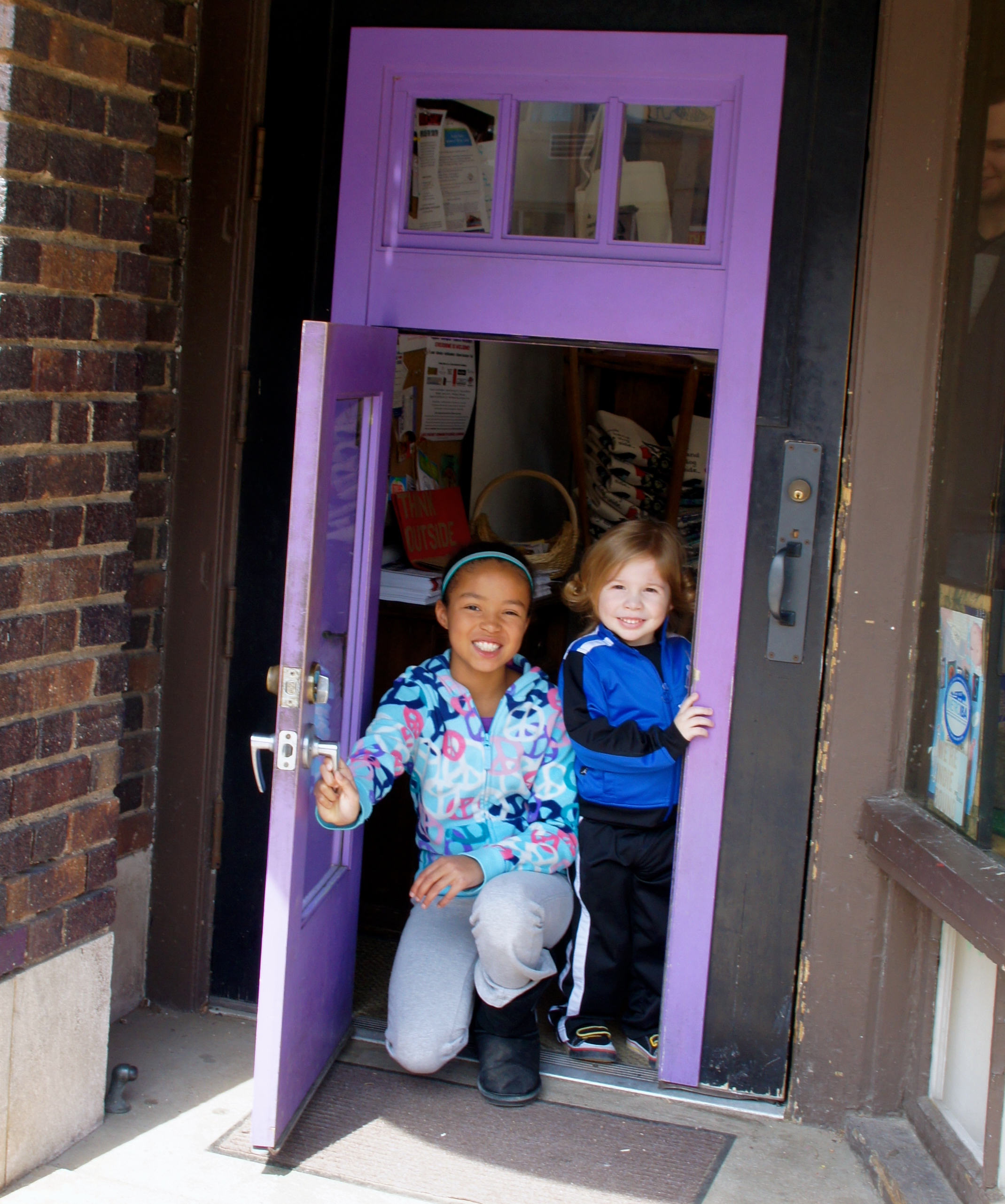
Wild Rumpus Book Store in MinneapolisExiting Wild Rumpus through the child-size purple door.
concept of caring for the environment than by reading a super-engaging book on the topic and then venturing out on a lit trip to a local park, garden, or community Earth Day event? Listen up grandparents, aunts and uncles and others who seek interesting ways to interact with the children in your life. You should put Last Child in the Woods: Saving Our Children From Nature-Deficit Disorder on your list.
For a few great book suggestions, I stopped by one of the country’s all-time best children’s bookstores, Wild Rumpus in Minneapolis. I have to admit that since my children are grown, I look for just about any excuse to wander into this store, which is full of fun booksellers, live animals, special events, and cozy reading spots, not to mention books, books, books. It’s pretty entertaining just watching children and their families interact with everything in the store. Don’t have kids? Wild Rumpus has a great selection of YA and adult books, and you can still enjoy the animals.
Here are a few of their Earth Day reading suggestions:
The Curious Garden by Peter Brown
Miss Maples’ Seeds by Eliza Wheeler
Celebritrees— Historic and Famous Trees of the World by Margi Preus
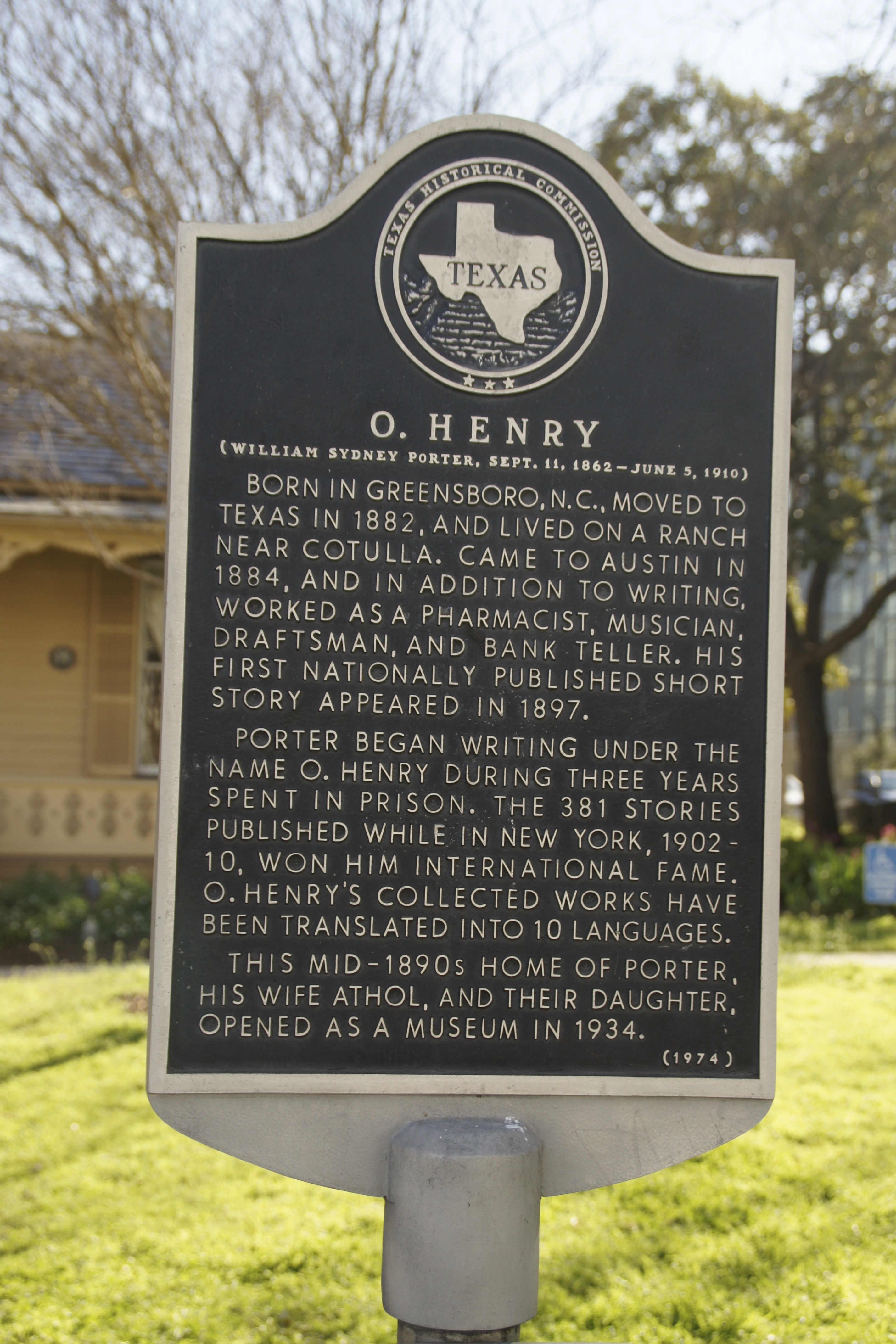
Before William Sydney Porter, aka O. Henry wrote his famous short story “The Gift of the Magi,” he lived for a few years in Austin, Texas. The tiny house he rented survives as a museum. It’s tucked in right next to the giant Hilton Austin in the center of town and this property looks like it would have great potential to become a parking lot or fast food joint, and in fact it barely missed the wrecking ball back in the 1930s.
As I’ve mentioned in a previous post on authors’ homes, the places where famous authors lived are often a disappointment compared to the places they describe in their books. And, a huge modern building right next door doesn’t help you envision the author’s life as it was in the 1800s. Nonetheless, if you’re in Austin, you should pay a call at Porter’s house, if only to get a taste of how people lived at the time. The price is right, too. It’s free, but please make a donation when you leave.
While he resided here (1893 to 1895), Porter made his living drawing maps for the General Land Office and publishing a paper called the Rolling Stone (quite different from the current publication of that name). Before you go, be sure to read a couple of his most famous stories–“The Gift of the Magi” or “The Ransom of Red Chief.”
William Sydney Porter, aka O. Henry
Ah, the symbolism. If Porter could see his tiny home now, wedged in next to the giant hotel, I’m sure he would find inspiration for another story.
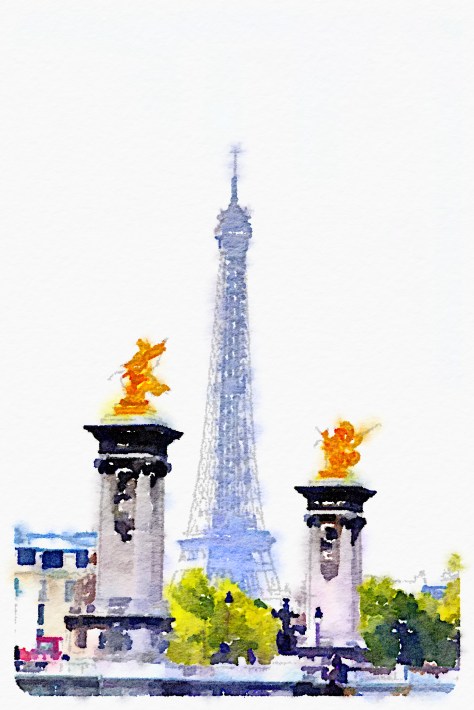
The Eiffel Tower is one of the most famous monuments in the world, which means it has
The original photo
been photographed at every possible angle and every time of day since construction began in 1887. But I’m not so interested in telling you about the Eiffel Tower as I am in letting you know about an an app that that I’ve had great fun playing with, Waterlogue, which turns photos into some pretty cool watercolor painting-like images. It works on any Apple iPhone, iPad or iPod touch that is running iOS version 7 or great. You download a photo, and apply one of Waterlogue’s filters. And, Voila!
As a result, my photo, which is just like those that millions of other tourists have taken, now looks a little different. Give it a try. There are some serious crafty possibilities.
The most famous travel books have been written by men: Travels with Charley, On the Road, and Blue Highways, to name a few. But women have been “on the road,” too, and not just Route 66.
I love reading books about women’s adventures. I especially like funny stories, with plenty of travel mistakes, misadventures, mix-ups. And, I appreciate most the stories that weren’t inspired by trauma, bad boyfriends, dead or abusive husbands, or the authors’ search for new love. Eat…pray…you know what I’m talking about. Instead, I go for the stories that were simply rooted in a woman’s daring and love of adventure. Here are a few favorites.
A Lady’s Life in the Rocky Mountains, Isabella Bird
The amazing Isabella Bird was an Englishwoman who lived a life of continual travel and was, as a result, the first woman to be elected the the Royal Geographic Society. She came to Colorado in 1873, three years before it became a state. She traveled solo through the wilderness and covered more than eight hundred miles during her journey around Colorado, which she described in letters that she wrote to her younger sister in Scotland. The letters were published in 1879 as A Lady’s Life in the Rocky Mountains, part travelogue, part memoir, part character study of the people who settled on the frontier, especially “Mountain Jim,” a handsome trapper and desperado with whom she was fascinated. Bird was also one of the first of a genre that we now call “environmental writers.”
By Motor to the Golden Gate, Emily Post Emily Post was a travel writer. Who knew? This book is a reprint of articles originally published on Colliers Magazine seven years before she became famous for her book on etiquette. In 1915, Post documented her New York-to-San Francisco road trip investigating whether it was possible to drive comfortably across the country an automobile. That was a valid question since few women of her Gilded Age background did such daring things and because she was driving on the Lincoln Highway, this country’s first transcontinental highway.
The Wilder Life, Wendy McClure
Do you travel to visit places where you can pursue hobbies or a particular interest? Wendy McClure sets the bar high for anyone who travels in pursuit of a particular passion. In her case it’s Laura Ingalls Wilder’s Little House on the Prairie books and her effort to re-create “Laura World” for herself. She investigates the settings and activities that have made several generations of young readers flock to the Little House books and to the sites across the Midwest where they took place. See my article my previous post on this book and my article, Novel Destinations, for my own encounter with Laura World.
The Good Girls Guide to Getting Lost, Rachel Freidman
We’ve read plenty about bad boys on the road; Jack Kerouac is the most famous. That’s why it’s nice to learn that good girls like Rachel Friedman can take risks and open themselves to great new experiences. She goes to Ireland on a whim where she forms a friendship with a free-spirited Australian girl, a born adventurer, who spurs her on to a yearlong odyssey that takes her to Australia and South America, too, and learns to cultivate her love for adventure.
No Touch Monkey, Ayun Halliday
If you’ve ever made grievous errors in judgement while traveling, you’ll relate to Halliday’s experiences, which she doesn’t hesitate to share— from hygiene to intestinal problems to a collagen implant demonstration during Paris fashion week with her mother.I enjoyed her sarcastic writing style, her impressive globe-trotting, and her openness to adventures that wouldn’t even occur to me. She’s a witty observer of the details that most travelers see but forget about. For example, the title comes from a sign she saw in Bali with rules to assure “your enjoymen and safety” including: “Never grab a monkey. If a monkey gets on you, drop all your food and walk a way until it jumps off.”
Dogs. If you love them, you’ll appreciate the stories that follow. If you don’t like dogs or
What? Me digging? I haven’t been digging. Spring for dog-lovers.
are an extremely fastidious person, you should stop reading now and wait for my next post, which will undoubtedly be more literary and appropriate. However, when such great stories come my way, I must share them. I thought this was going to be an April Fool’s story, but it’s true…
The weather is warming up here in Minnesota and a winter’s worth of dog poo is thawing out of the snow right now. Cleaning up that nasty stew of poo is an annual ritual for local dog-owners, and the other day my friend who has two Golden Retrievers raked up three huge bags of dog poop. Because you don’t want such foul things festering in your garage, she put the bags by the garage door waiting for garbage day. The following day (not garbage pick up day) the bags disappeared. She couldn’t figure out what would have happened to them…..
until she saw the receipt from a local charity thanking her for her donation.
Of course, I’ve been repeating this story all over, which has led to other people telling me their embarrassing and slightly gross dog stories. I heard one from a friend in NYC. Her German shepherd died and the only way she could only think of to get it to the vet was in a large roller bag. She was held up on the street and the robbers took the bag! Surely, that’s the definition of karma.
Please, please, send me any great embarrassing dog tales you have. Click below to send your comment. I love to hear (and share) them.
And now, because you may be grossed out, because you came to this blog expecting something literary, and because April is National Poetry Month I’m going to elevate our discourse by sharing a dog poem by one of my favorite poets, Mary Oliver, from her book Red Bird.
Percy and Books
Percy does not like it when I read a book.
He puts his face over the top of it, and moans.
He rolls his eyes, sometimes he sneezes.
The sun is up, he says, and the wind is down.
The tide is out, and the neighbor’s dogs are playing.
But Percy, I say, Ideas! The elegance of language!
The insights, the funniness, the beautiful stories
that rise and fall and turn into strength, or courage.
Books? says Percy. I ate one once, and it was enough. Let’s go.
Charleston is one this country’s oldest cities and also one of the most active cities for historic preservation. That has paid off handsomely in terms of attracting tourists who are drawn to the city’s broad, elegant boulevards and its dizzying array of pastel colors and architectural styles—Colonial, Federal, Georgian, Italianate, Victorian—like bees to honey.
The John Rutledge House Inn on Broad Street features the fabulous iron work that was frequently produced by enslaved African people.
Yet for years, Charleston’s tale was only half-told. The truth is behind all the beauty, antebellum charm, the Gone With The Wind-type nostalgia for plantation life, and the honor of the boys in gray, lies the story of the people who built it all—enslaved Africans. They manufactured the brick and the ornate metalwork of those beautiful buildings, grew the crops and raised generations of children, too. But, their story was either ignored all together or told as if slavery offered sort of a lucky opportunity to be cared for as part of the plantation family. Historians believe as many as 40 percent of all enslaved Africans who came to North America entered through Charleston, making it the Ellis Island of Africans in the U.S. Consequently, nearly 80 percent of African Americans can potentially trace an ancestor who arrived through Charleston. That’s a huge group of people to ignore.
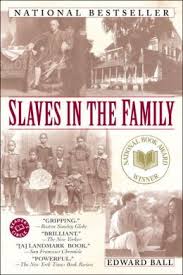
Yet, just as the winds of change blew through Tara, they’ve also blown through Charleston. They came literally in the form of Hurricane Hugo in 1989 and the subsequent restoration of the city. They also blew in with fresh voices who are interpreting the history of the South in a richer and more accurate form. For example, in 1998, author Edward Ball, who descended from a dynasty of Charleston rice planters, broke the taboo against talking about the city’s slave heritage. His book, Slaves in the Family, which won the National Book Award, chronicles the Ball family history as slaveholders and his discovery of his black relatives, who descended from relationships between his plantation-owning forbears and their slaves. With breakthrough movies such as 12 Years a Slave, it’s impossible to maintain a rosy picture of slavery.
Now, in Charleston you can visit the Old Slave Mart museum, which seeks to interpret the history of enslaved Africans who arrived through this port. It’s a small museum but the big new International African American Museum will open in Charleston in 2018. In the meantime, they offer a great educational web site as does the Convention and Visitor’s Bureau. For more of the African American perspective, you may also want to tour the city with Gullah Tours.
Drayton Hall plantation stands by the Ashley River, just south of Charleston. It’s my favorite area plantation because it has been left “as is.”
The plantations along the Ashley River Road (see my previous post) south of the city have also broadened way they interpret the plantations’ history to visitors by including the role of enslaved Africans in plantation life in their tours.
No matter where your ancestors came from, it’s a more satisfying trip when you receive an accurate picture of what is our collective history.
Drayton Hall plantation stands by the Ashley River, just south of Charleston.
Irene Levine, among many other things, writes a wonderful blog, More Time to Travel: Advice on Travel After 50. Her recent post is a collaborative effort with several other travel bloggers, including me, on the topic of plantations. As you’ll see, “plantation” doesn’t necessarily mean the kind in Gone With the Wind. Still, while I’m on the topic, here is a link to my previous post about Charleston, which is the starting point for a journey down Ashley River Road south of the city. There you’ll find three fascinating plantations–Drayton Hall, Magnolia Plantation and Gardens, and Middleton Place. And now is a great time to visit. More in my next post.
Travel to the places you read about. Read about the places you travel.


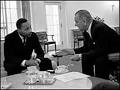 as interesting as watching paint dry. I was in your camp until I visited the LBJ Presidential Library in Austin Texas. I expected lots of yellowed documents, some photos, and “Mad Men” era tchotchkes. What I got was a tour of some of the most dramatic events of American history, in which Lyndon Baines Johnson was intimately involved. They include the civil rights movement, the Vietnam War, the space program, and his transition to the office of President after the assassination of John F. Kennedy, to name a few.
 forefront this year. Johnson “pushed for legislation to fix societal problems, signing bill after bill, act after act. From the
 War on Poverty to Civil Rights, Medicaid to Medicare, he knew a better society wasn’t enough — we needed a Great Society. Put simply, he got things done.”














 Off The Beaten Page Travel